Chicago Teachers Union to Strike Over Budget Cuts: A Deep Dive into the Struggle for Public Education Funding
Introduction
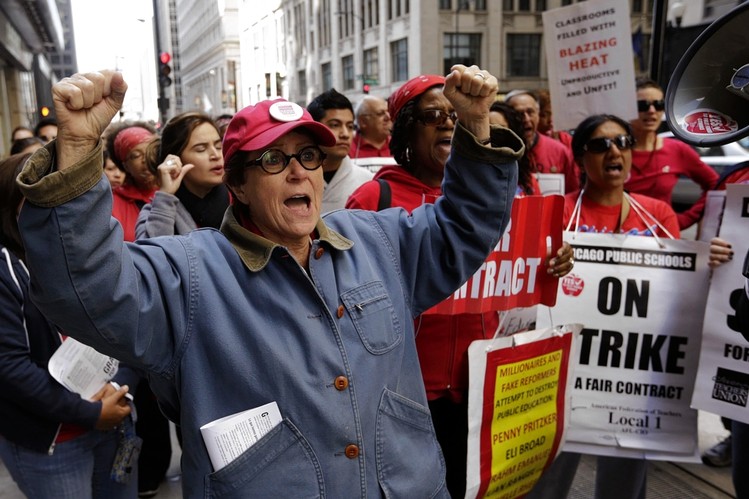
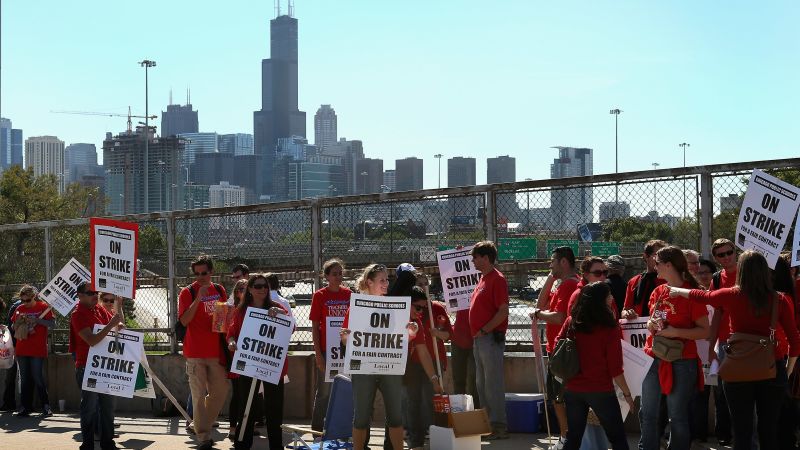
Today marks a significant moment in the ongoing saga of public education funding in Chicago as the Chicago Teachers Union (CTU) prepares to launch its strike on August 2, 2026. The CTU's decision to take this drastic measure is rooted in longstanding issues such as budget cuts and school closures, which have placed immense pressure on both educators and students alike.
This article delves into the current situation, providing a comprehensive overview of what led to the strike, key players involved, relevant data points, expert analyses, and broader implications for public education funding across the country.
What Is Happening Now
Budget Cuts and Layoffs
Chicago Public Schools (CPS) has been grappling with a significant budget deficit of $732.5 million [4]. To address this shortfall, CPS plans to lay off over 1,700 teachers, teacher aides, and central office staff members [5]. These layoffs are part of broader cost-cutting measures aimed at reducing operational expenses.
In addition to layoffs, the district has announced a five-day furlough for all employees, which will result in an average loss of $2,300 per teacher's annual salary. This decision reflects the dire financial situation CPS faces, necessitating drastic actions to balance its budget [5].
School Closures
Another contentious issue driving CTU’s decision is the potential closure of several schools across Chicago. These closures are part of a larger strategy to consolidate resources and streamline operations within the district. However, they have sparked significant controversy among parents, students, and educators who fear that such actions will further exacerbate existing inequities in educational opportunities [4].
Key Players
Chicago Teachers Union (CTU)
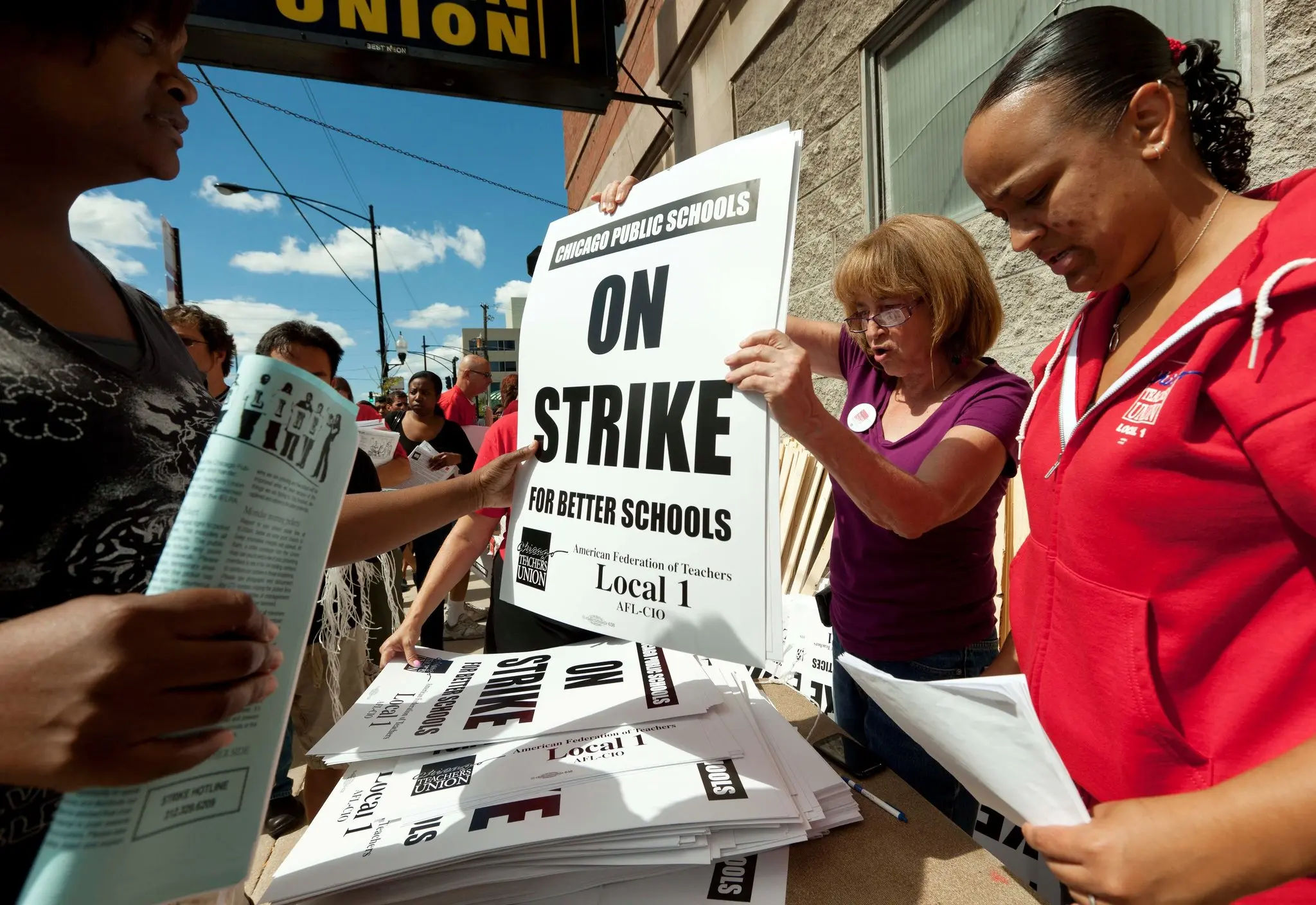
The CTU has emerged as the primary voice opposing CPS's budget cuts and school closures. The union represents over 25,000 teachers across Chicago and has a long history of advocating for better working conditions and increased funding for public education [1]. Under the leadership of Jesse Sharkey, the president of the CTU, the organization has taken a firm stance against what it perceives as detrimental policies that harm both educators and students.
Chicago Public Schools (CPS)
On the other side stands CPS, led by CEO Macquline King, who was appointed to this position in 2026. The district faces immense financial pressures, necessitating tough decisions regarding staffing and operational costs [5]. Despite these challenges, CPS maintains that its budget cuts are necessary for the long-term sustainability of public education in Chicago.
Democratic Socialists of America (DSA)
The DSA has been actively involved in supporting labor movements across various sectors, including education. Local chapters have organized events to raise awareness about economic inequality and promote social democratic policies [2]. The organization's involvement highlights the broader political context surrounding these budgetary decisions and their impact on working-class communities.
Data and Evidence
Union Density Trends
The decline of union density in the United States has been a key factor driving income inequality. Historically, around 35% of the private sector workforce was unionized during the mid-20th century; today, this number stands at less than 6%. This dramatic decrease correlates strongly with rising income disparities [3].
CPS Financial Metrics
As of July 31, 2026, CPS unveiled a new budget proposal totaling nearly $10 billion. Despite laying off over 1,700 staff members, the district's payroll has actually grown compared to last year and remains higher than pre-pandemic levels [6]. These figures underscore the complexity of balancing financial constraints with maintaining adequate staffing levels.
Expert Reactions
Economic Implications
Economists have long argued that robust union presence is crucial for mitigating income inequality. Theoretical mechanisms suggest that unions not only directly raise wages for their members but also create spillover effects benefiting non-union workers in the same industries [3].
Educational Impact
Educational experts warn that school closures and teacher layoffs can lead to significant disruptions in student learning trajectories. Drastic changes such as these may disproportionately affect already marginalized communities, exacerbating existing educational disparities [1].
Broader Implications
National Relevance
The situation unfolding in Chicago reflects a broader national trend of declining public education funding and rising income inequality. Similar labor disputes are occurring across multiple states in the Midwest, highlighting systemic issues affecting workers nationwide [2].
Legislative Outlook
At the federal level, the Protecting the Right to Organize (PRO) Act has garnered significant support but faces ongoing legislative hurdles. Passage of this act could significantly bolster union efforts and potentially alter the landscape for future labor negotiations [3].
Key Takeaways
- Financial Crisis: CPS's current financial situation is severe, necessitating drastic measures such as layoffs and furloughs.
- Educational Disparities: Budget cuts and school closures exacerbate existing educational inequities, disproportionately affecting marginalized communities.
- Union Influence: Strong union presence is critical for addressing income inequality and ensuring fair working conditions.
- Broader Context: The Chicago strike reflects national trends in public education funding and labor rights.
- Future Outlook: Legislative changes like the PRO Act could have significant implications for future labor negotiations.
- Community Impact: Local community organizations, such as DSA chapters, play a vital role in supporting affected communities during these crises.
This comprehensive analysis provides a nuanced understanding of the complex interplay between financial constraints, educational policies, and labor rights that defines the current struggle in Chicago.