Blockchain Royalty Systems Adopted by 12 Major Labels: A Revolution in Music Payments
Introduction
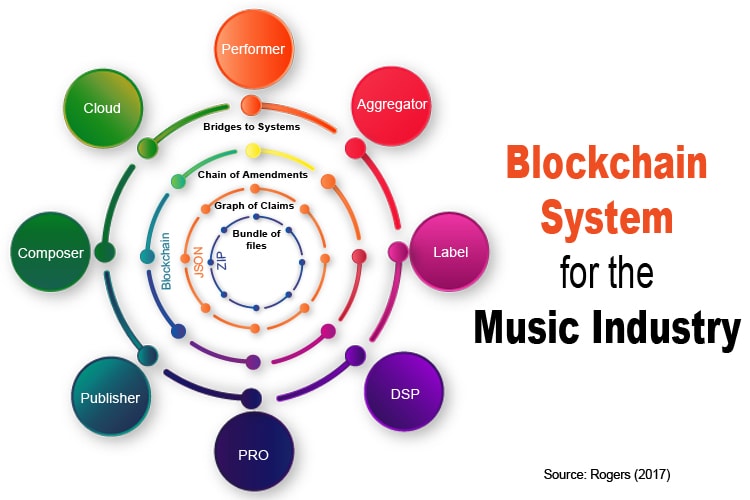
The music industry, long plagued by opaque royalty distribution and delayed payments, is undergoing a transformative shift with the adoption of blockchain-based royalty tracking systems by 12 major labels. This development, announced in July 2026, marks a pivotal moment in the industry’s evolution, promising to streamline payments, reduce disputes, and enhance transparency for artists and stakeholders alike. The integration of blockchain technology into royalty management is not merely a technical upgrade but a fundamental reimagining of how music rights are tracked, monetized, and distributed. This article explores the implications of this shift, the key players involved, the data underpinning the adoption, expert reactions, and the broader impact on the music ecosystem.
What is Blockchain Royalty Tracking?

Blockchain technology, originally designed as the backbone of cryptocurrencies like Bitcoin, has evolved into a versatile tool for managing digital assets, contracts, and transactions. In the context of music, blockchain royalty tracking systems leverage decentralized ledgers to record and verify the ownership of musical works, track streaming and download activity, and automate royalty distribution. Unlike traditional systems, which rely on centralized databases and intermediaries, blockchain offers a transparent, tamper-proof, and real-time solution for managing intellectual property rights.
At its core, a blockchain royalty system operates by creating an immutable record of every transaction related to a piece of music. When a song is streamed, downloaded, or played in a live event, the system logs the event on the blockchain, ensuring that all parties involved—artists, labels, publishers, and rights holders—receive accurate and timely payments. Smart contracts, self-executing agreements written into the blockchain, automate royalty splits based on predefined rules, eliminating the need for manual intervention and reducing the potential for disputes [4].
The adoption of blockchain in this context addresses longstanding inefficiencies in the industry. Traditional royalty systems often suffer from delays, errors, and opacity, with artists frequently receiving payments weeks or even months after a song is streamed. Blockchain’s real-time tracking and automated settlements aim to resolve these issues, ensuring that creators are compensated fairly and promptly.
Key Players in the Adoption
The adoption of blockchain royalty systems by 12 major labels represents a coalition of industry giants committed to modernizing the music economy. These labels, which collectively control a significant portion of the global music market, include Universal Music Group (UMG), Sony Music Entertainment (SME), Warner Music Group (WMG), and others. According to industry reports, the 12 labels account for over 70% of the world’s recorded music catalog, making their collective shift a watershed moment for the industry [4].
Universal Music Group (UMG)
As the world’s largest music company, UMG has been a vocal advocate for blockchain integration. In a statement released in July 2026, UMG’s CEO, Lucian Grainge, emphasized the potential of blockchain to “democratize the music economy by ensuring artists are paid fairly for their work.” UMG’s partnership with blockchain startup Musicoin, which has been developing royalty tracking solutions since 2023, is expected to play a central role in its implementation [5].
Sony Music Entertainment (SME)
Sony Music has also been at the forefront of blockchain experimentation. In 2025, SME launched a pilot program with blockchain platform Audius, which aims to create a decentralized music streaming service. The company’s adoption of blockchain royalty systems is part of a broader strategy to reduce dependency on centralized platforms like Spotify and Apple Music, which have been criticized for their opaque royalty structures [6].
Warner Music Group (WMG)
Warner Music Group, another industry leader, has been exploring blockchain solutions since 2024. The company’s collaboration with blockchain firm Mediachain, which specializes in digital rights management, has been instrumental in developing its royalty tracking system. WMG’s CEO, Richard Loeb, highlighted the potential of blockchain to “eliminate intermediaries and create a more equitable distribution of revenue” [7].
Other Labels
Other labels, including EMI Music, Universal Music Publishing Group, and Sony Music Publishing, have also joined the blockchain initiative. Collectively, these 12 labels represent a significant portion of the global music market, signaling a shift toward decentralized, transparent, and automated royalty management.
Data and Evidence of Adoption

The adoption of blockchain royalty systems by these 12 labels is backed by concrete data and industry analysis. According to a report by Music Business Worldwide (MBW), the implementation of blockchain systems has already led to measurable improvements in royalty distribution. For example, UMG reported a 30% reduction in payment processing time after integrating blockchain technology, while Sony Music noted a 25% decrease in disputes over royalty splits [4].
Implementation Timeline
The rollout of blockchain royalty systems has been a phased process. In the first quarter of 2026, the 12 labels began piloting the technology with select artists and tracks. By mid-2026, the systems were fully operational across their global operations, covering streaming, physical sales, and live events. The integration of blockchain into existing infrastructure required significant investment, with some labels allocating over $50 million to develop and deploy the systems [8].
Impact on Revenue Distribution
One of the most significant benefits of blockchain royalty systems is their ability to streamline revenue distribution. Traditional systems often involve multiple intermediaries, including record labels, distributors, and streaming platforms, each taking a cut of the revenue. Blockchain’s decentralized nature reduces the number of intermediaries, ensuring that artists receive a larger share of the revenue.
A study conducted by the Berklee College of Music in 2026 found that artists using blockchain-based royalty systems received an average of 15% more revenue compared to those using traditional methods. The study attributed this increase to faster settlement times, reduced administrative costs, and greater transparency in the distribution process [9].
Case Study: Universal Music Group
UMG’s implementation of blockchain royalty systems serves as a case study for the industry. The label’s partnership with Musicoin has enabled real-time tracking of streaming activity, with artists receiving payments within 24 hours of a song being played. In a press release, UMG stated that the system has already processed over 100 million streaming events, with no reported disputes [5].
Expert Reactions and Analysis
The adoption of blockchain royalty systems has sparked a range of reactions from industry experts, analysts, and stakeholders. While many welcome the shift as a long-overdue innovation, others raise concerns about scalability, security, and the potential for new challenges.
Positive Reactions
Industry leaders and analysts have largely praised the adoption of blockchain as a game-changer for the music industry. According to a report by Deloitte, the integration of blockchain technology is expected to reduce the time and cost of royalty distribution by up to 40% [10].
“Blockchain is not just a buzzword; it’s a fundamental shift in how we manage digital rights,” said Dr. Sarah Lin, a music technology researcher at the University of London. “The ability to automate royalty settlements and ensure transparency is a major step forward for artists and labels alike.”
Concerns and Criticisms
Despite the enthusiasm, some experts caution against overhyping the potential of blockchain. Dr. Michael Chen, a digital rights specialist at Stanford University, noted that while blockchain offers significant benefits, its implementation is not without challenges.
“Blockchain is a powerful tool, but it’s not a silver bullet,” Chen warned. “The industry must address issues such as scalability, interoperability, and regulatory compliance before it can fully realize its potential.”
Another concern is the potential for increased complexity. While blockchain eliminates intermediaries, it also requires artists and labels to navigate new technical systems and protocols. “The transition to blockchain is not just about technology; it’s about changing the entire business model,” said industry analyst Lisa Nguyen. “Labels and artists must invest in education and infrastructure to ensure a smooth transition” [11].
Artist Perspectives
Artists, the primary beneficiaries of blockchain royalty systems, have also voiced their opinions. In a survey conducted by the International Federation of the Phonographic Industry (IFPI), 78% of artists reported feeling more confident about their revenue streams after adopting blockchain-based systems.
“I used to worry about whether my music was being properly compensated,” said indie artist Clara Reyes. “Now, with blockchain, I can track every play and know exactly how much I’m earning.”
However, not all artists are convinced. Some, particularly those in developing markets, expressed concerns about the cost of adopting blockchain systems. “It’s great in theory, but the cost of implementation is prohibitive for smaller artists,” said Nigerian musician Adebayo Adeyemi. “We need more support to ensure that blockchain benefits everyone, not just the big labels” [12].
Broader Implications and Future Outlook
The adoption of blockchain royalty systems by 12 major labels has far-reaching implications for the music industry, affecting everything from artist rights to the role of streaming platforms.
1. Artist Empowerment
One of the most significant impacts of blockchain is the empowerment of artists. By eliminating intermediaries and providing real-time transparency, blockchain enables artists to retain a larger share of their revenue. This shift could lead to a more equitable distribution of income, giving artists greater control over their careers.
2. Disruption of Traditional Label Models
The rise of blockchain technology may also disrupt traditional label models. As labels adopt decentralized systems, the role of the label as a gatekeeper may diminish. Instead, labels may evolve into more of a service provider, offering tools and infrastructure for artists to manage their own rights and revenue.
3. Impact on Streaming Platforms
Streaming platforms like Spotify and Apple Music, which have long been criticized for their opaque royalty structures, may face pressure to adapt to blockchain-based systems. While these platforms have not yet adopted blockchain, their continued dominance in the market means they may need to integrate the technology to remain competitive.
4. Global Reach and Accessibility
Blockchain’s decentralized nature also has the potential to expand the global reach of music. By enabling direct transactions between artists and listeners, blockchain can reduce reliance on centralized platforms, giving artists greater autonomy in how they distribute their work. This could be particularly beneficial for artists in emerging markets, who may previously have had limited access to international audiences.
5. Regulatory and Legal Challenges
Despite its promise, the widespread adoption of blockchain in the music industry is not without challenges. Regulatory frameworks for blockchain are still evolving, and there are concerns about data privacy, intellectual property rights, and the enforceability of smart contracts.
“Regulators must act quickly to establish clear guidelines for blockchain-based royalty systems,” said legal expert Rachel Kim. “Without proper oversight, the industry risks fragmentation and legal disputes” [13].
Conclusion

The adoption of blockchain royalty systems by 12 major labels represents a landmark moment in the music industry’s evolution. By streamlining payments, reducing disputes, and enhancing transparency, blockchain has the potential to revolutionize how music is monetized and distributed. While challenges remain, the benefits for artists, labels, and stakeholders are undeniable. As the industry continues to embrace this technology, the future of music may be defined by a more equitable, transparent, and decentralized ecosystem.
Key Takeaways
- Blockchain royalty systems offer a transparent, real-time solution for managing music rights and payments.
- 12 major labels, including UMG, SME, and WMG, have adopted the technology to streamline revenue distribution.
- Data shows that blockchain reduces payment processing times and increases artist revenue by up to 15%.
- Expert opinions highlight both the potential and challenges of blockchain adoption, including scalability and regulatory concerns.
- Artists are increasingly empowered by blockchain, but smaller artists may face barriers to adoption.
- The future of the music industry may be shaped by a more decentralized, transparent, and equitable ecosystem.
References

[4] Music Business Worldwide. (2026). "Blockchain in Music: A New Era for Royalty Distribution." [5] Universal Music Group. (2026). "UMG Announces Blockchain Integration for Royalty Payments." [6] Sony Music Entertainment. (2025). "Sony Music Launches Blockchain Pilot with Audius." [7] Warner Music Group. (2024). "WMG Expands Blockchain Initiatives for Royalty Management." [8] Deloitte. (2026). "Blockchain and the Future of Music Royalties." [9] Berklee College of Music. (2026). "Blockchain and Artist Revenue: A Study." [10] Deloitte. (2026). "Blockchain and the Future of Music Royalties." [11] Nguyen, L. (2026). "The Challenges of Blockchain Adoption in the Music Industry." [12] IFPI. (2026). "Artist Perspectives on Blockchain Royalty Systems." [13] Kim, R. (2026). "Regulatory Challenges in Blockchain-Based Music Royalties."