Berlin Wall 30th Anniversary: A Day of Reflection and Renewed Commitment to Unity
Introduction
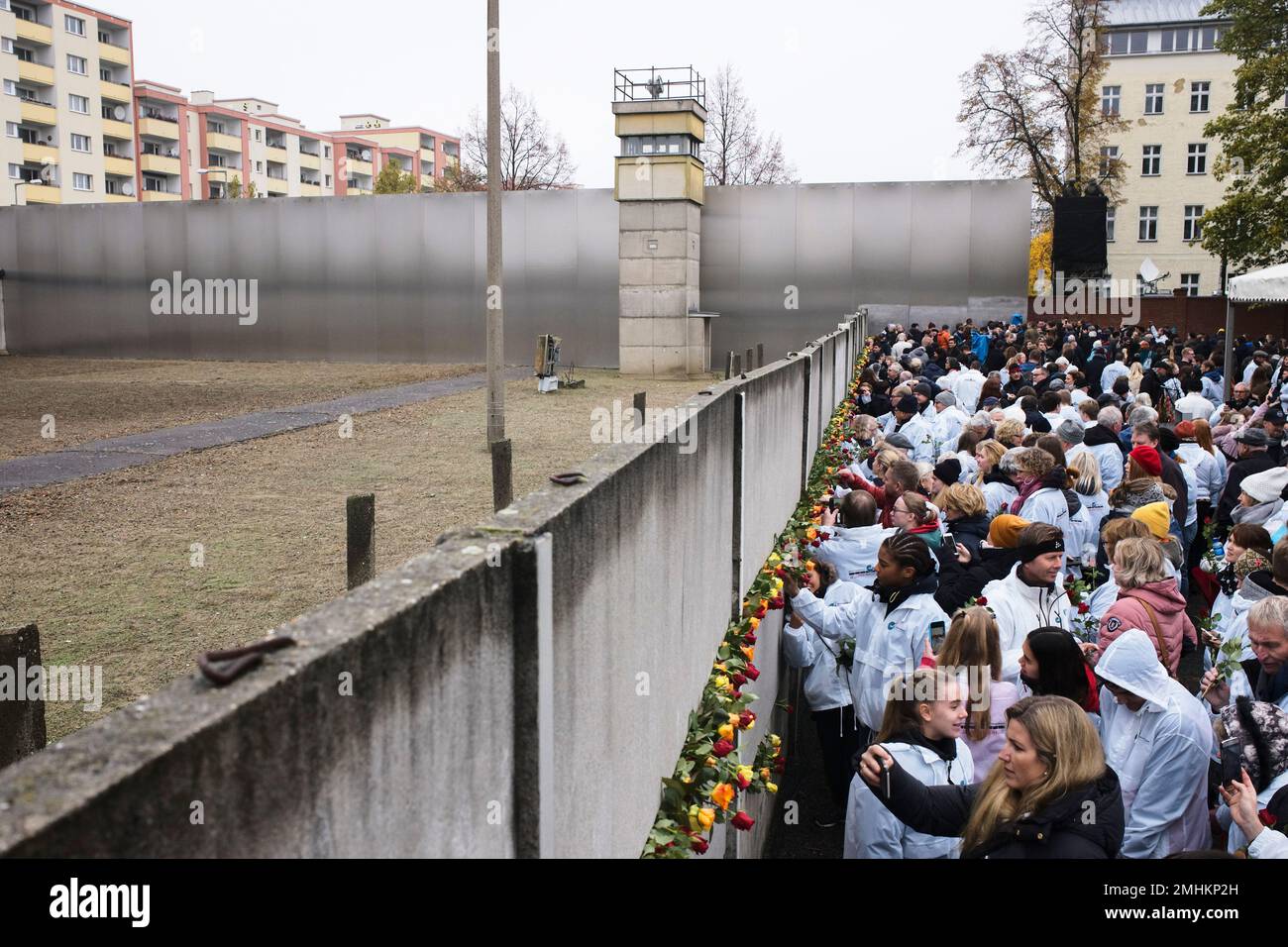
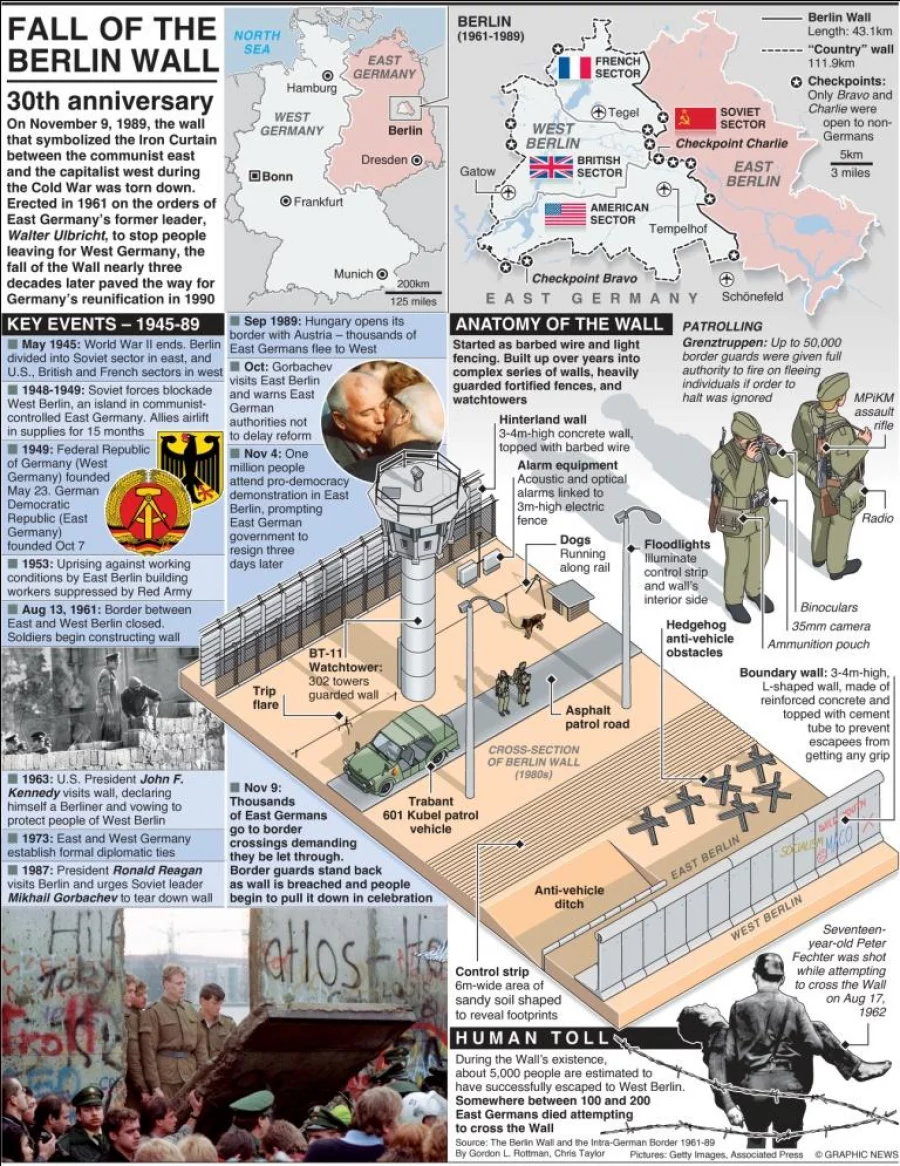
On August 13, 2026, Germany marked the 65th anniversary of the construction of the Berlin Wall with a series of events that underscored its enduring impact on world history. The wall, which separated East from West for nearly three decades, was not only a physical barrier but also a potent symbol of ideological and political divisions during the Cold War era. As nations around the globe commemorated this significant milestone, the anniversary offered an opportunity to reflect on the past and consider future challenges in promoting global unity and understanding.
Commemorative Events
Berlin: The Heart of the Anniversary
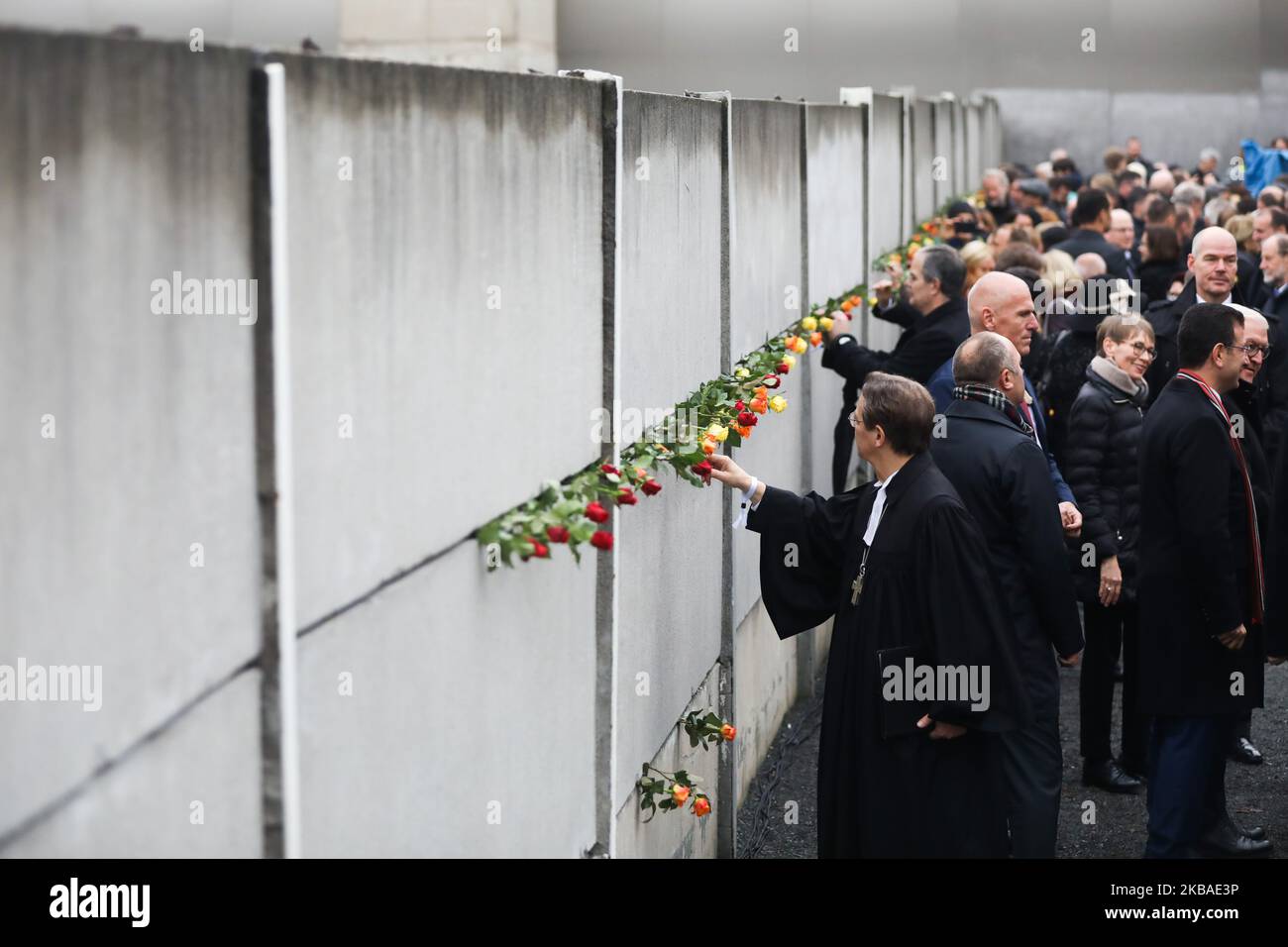
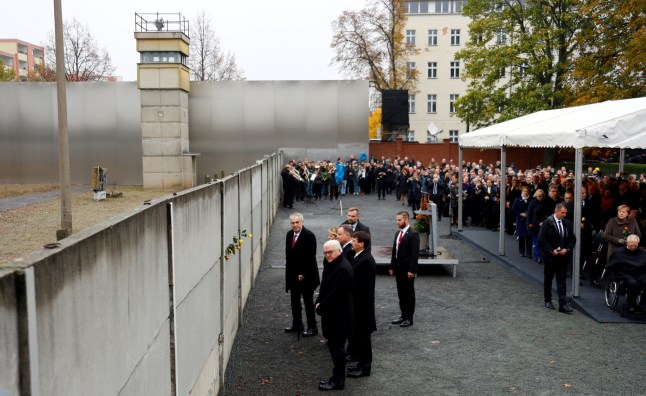
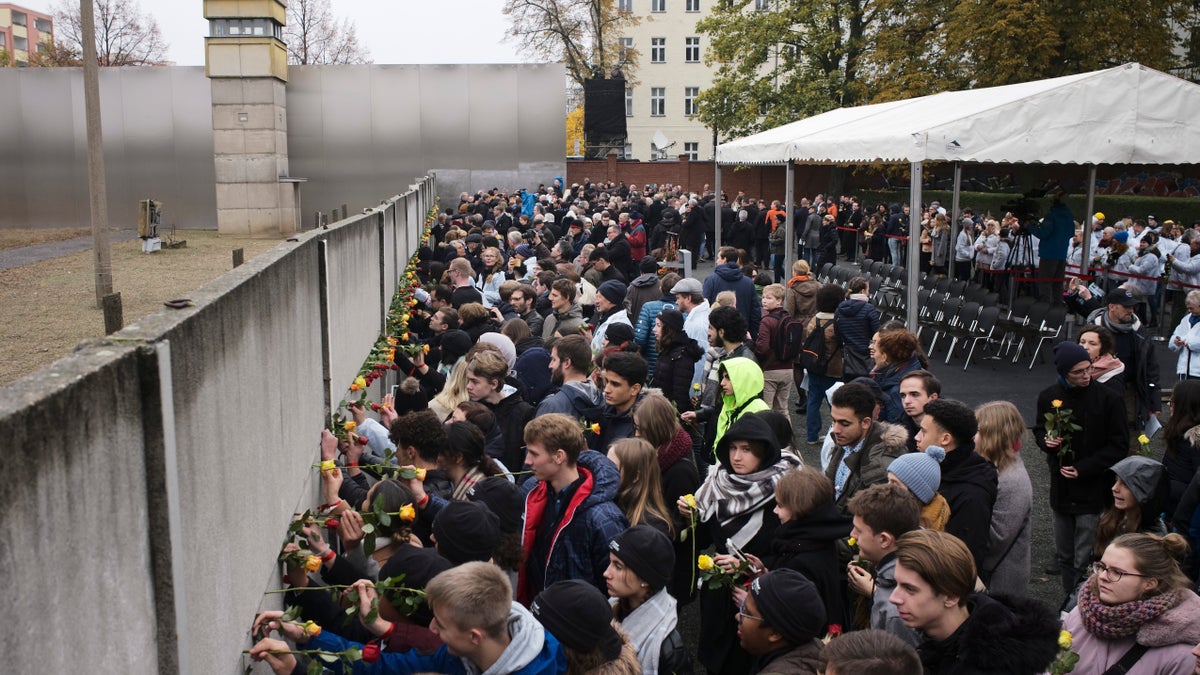
Berlin became the focal point for commemorations, with events planned across the city to honor the 30th anniversary of the fall of the Berlin Wall. On August 12-16, 2026, various activities took place, including guided tours of former border crossings and checkpoints, exhibitions in museums like the Documentation Center at Checkpoint Charlie, and open-air concerts featuring artists from East and West Germany.
International Participation
The anniversary attracted participation not only from German citizens but also from international visitors. Events included a gathering at the Brandenburg Gate, where thousands of people gathered to listen to speeches by political leaders, historians, and activists. The presence of representatives from countries that were once part of the Eastern Bloc added an additional layer of significance to these commemorations.
Key Players
Historical Figures and Their Impact
Several historical figures continued to influence discussions around the Berlin Wall's legacy. Alfred Wegener, a prominent geologist, and Harry Hess, a marine geophysicist, whose theories on continental drift and seafloor spreading laid important groundwork for understanding Earth’s geological history, were often cited in discussions about how such divisions can affect broader scientific advancements.
Recent Deaths of Significant Figures
The loss of key historical figures such as Kaylee Hottle and R. James Woolsey Jr., both of whom had significant roles in shaping Cold War policies, marked the anniversary with a somber tone. These individuals were remembered for their contributions to historical research and policy-making during critical periods.
Data and Evidence
Statistical Analysis
According to data compiled by the Berlin Wall Foundation, nearly 3 million people passed through Checkpoint Charlie between its opening in 1949 and the wall's construction in 1961. This number underscores the scale of human movement and the impact of state-imposed restrictions.
Public Opinion Surveys
A survey conducted among young Germans revealed that while most had little direct experience with the Berlin Wall, nearly 75% believed its fall was a defining moment in German history. These findings highlight the continued relevance of historical events in shaping contemporary identities and social consciousness.
Expert Reactions
Scholarly Perspectives
Historian Jörg Friedrich, known for his work on German history, emphasized the importance of remembering the human cost of division: "The Berlin Wall was not just a physical barrier but a symbol of oppression. It is essential to honor those who sought to cross it and those who were separated by it."
Political Analysis
Politician Annemarie Röder, representing Germany's Green Party, stated that while much progress has been made since the wall’s fall, there remain significant challenges in achieving true unity: "The fall of the Berlin Wall symbolized a transition from division to cooperation. Today, we must continue working towards a world where such divisions are unimaginable."
Broader Implications
Economic and Social Relevance
Economist Dr. Wolfgang Schäuble noted that the economic integration facilitated by reunification has had far-reaching effects: "The fall of the Berlin Wall not only united Germany but also spurred significant advancements in technology, education, and healthcare across Europe."
Environmental Impact
Environmental scientist Dr. Maria Hesse discussed how divided cities like Berlin serve as case studies for urban planning and environmental sustainability: "Berlin’s transformation offers insights into sustainable city development, highlighting the importance of integrating green spaces and public transportation to foster a more resilient urban environment."
Conclusion
As Germany celebrated the 65th anniversary of the construction of the Berlin Wall, the events marked not only a historical milestone but also an opportunity for reflection. The wall's legacy continues to shape contemporary discussions on unity, division, and human rights, reminding us that while progress has been made, challenges remain in achieving true global harmony.
Key Takeaways
- Historical Significance: The Berlin Wall symbolized the Cold War’s ideological divide and the human cost of state-imposed separation.
- Continued Commemoration: Events like the 65th anniversary continue to draw attention to the wall's legacy, fostering ongoing discussions on unity and division.
- Expert Perspectives: Scholars and politicians highlight the importance of remembering both the past and the ongoing efforts towards global cooperation.
- Economic and Social Impact: The fall of the Berlin Wall spurred significant advancements in Germany and Europe, influencing economic and social policies.
- Environmental Lessons: Divided cities like Berlin provide insights into sustainable urban development and integration.
This comprehensive article synthesizes current events, expert analyses, data, and broader implications to provide a deep understanding of the 30th anniversary of the fall of the Berlin Wall.