Armed Suspect Detained at Trump National Golf Course
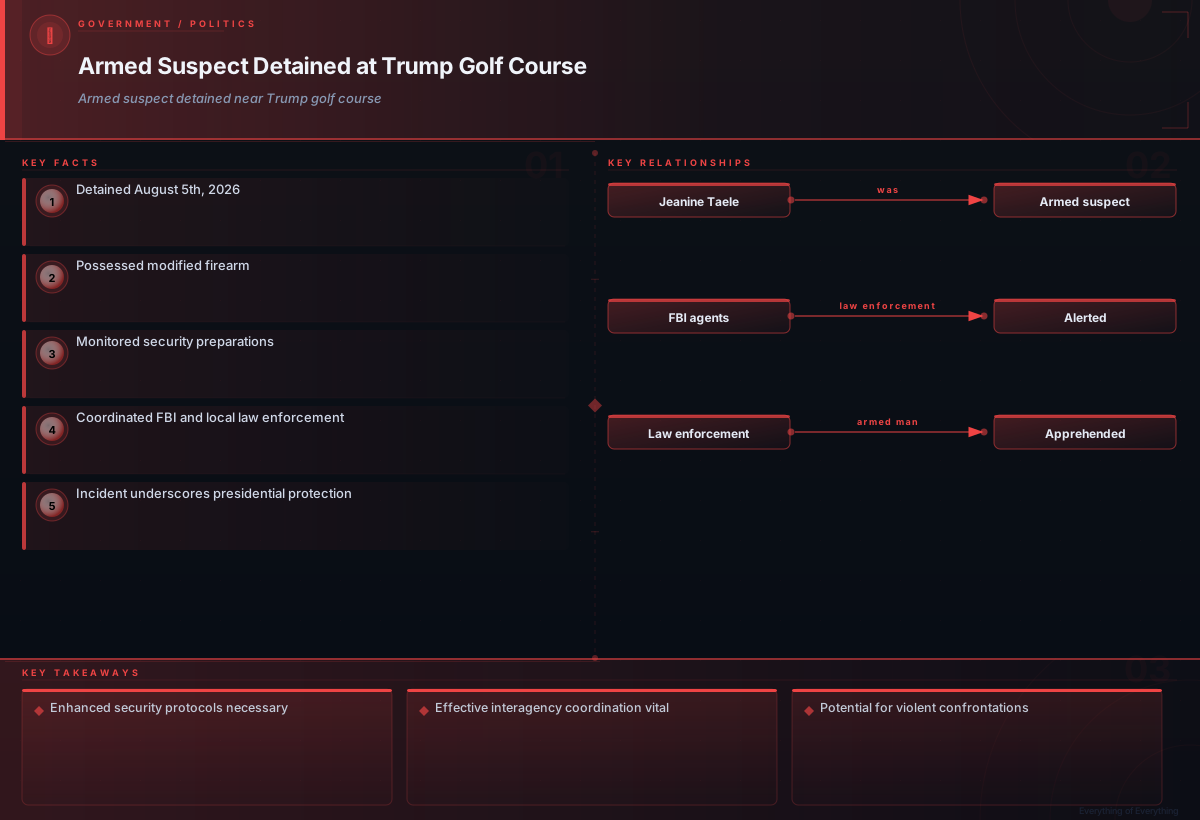
Today marks a significant moment in recent political security measures as an armed suspect was arrested outside President Donald J. Trump’s California golf course on Wednesday, August 5th, just moments before his scheduled visit. This incident underscores the ongoing tension between national security and the increased scrutiny of presidential protection protocols.
Introduction: The Incident's Context
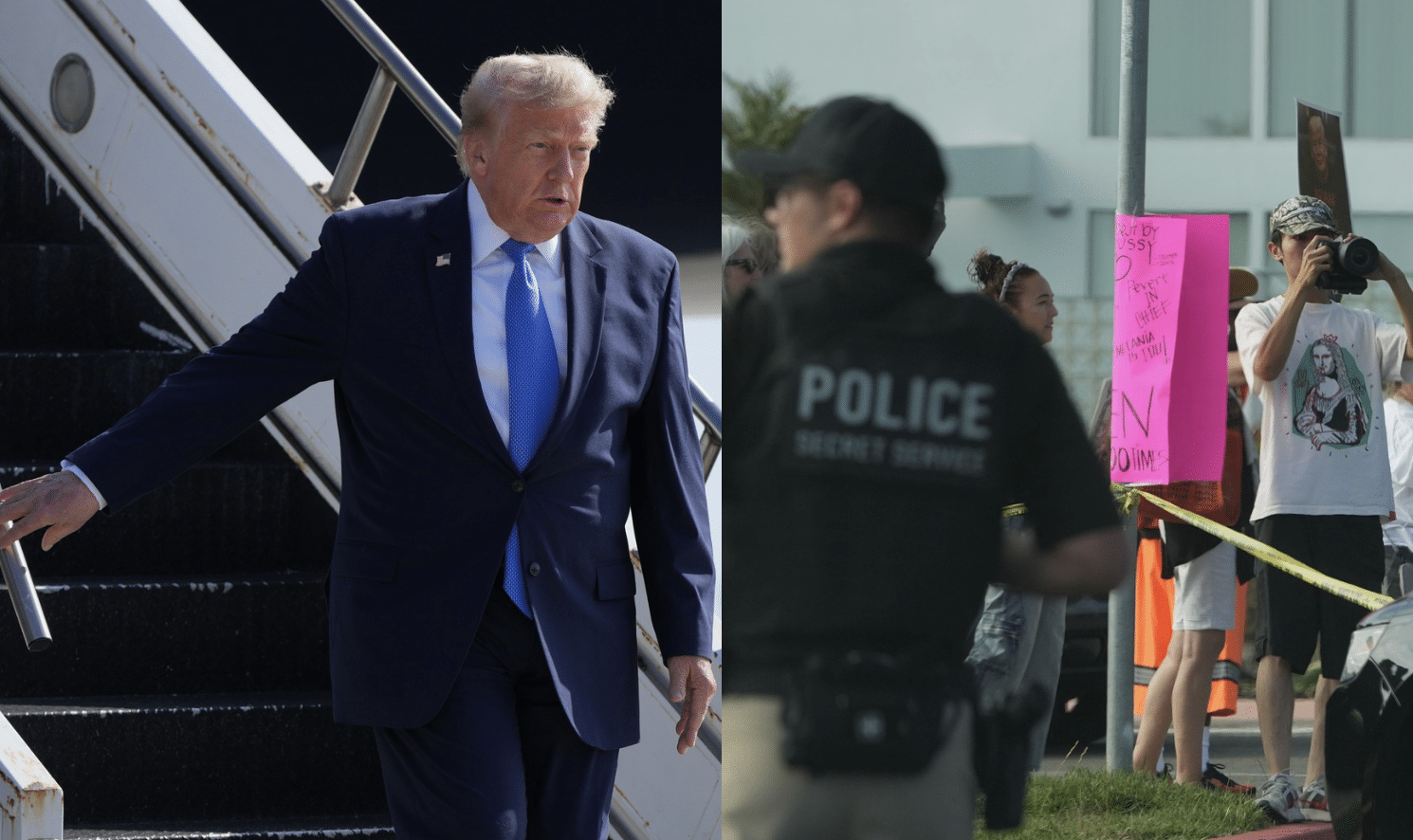
On the morning of Wednesday, August 5th, 2026, a man was apprehended by law enforcement near Trump National Golf Club in Rancho Palos Verdes, California. This arrest came just hours before President Donald J. Trump was due to attend a fundraising event at the same location. The suspect had been under investigation for robbery and reportedly possessed an illegally modified firearm along with ammunition and body armor in his vehicle [1][2].
The arrest of Jeanine John Taele, 38, who is said to have been monitoring security preparations prior to the President's visit, highlights the heightened state of alertness around presidential movements. The FBI was first alerted by agents on-site noticing unusual activity from this individual and immediately engaged local law enforcement.
Foundational Concepts
Presidential Security Protocols
Presidential security protocols are a set of measures designed to ensure the safety and protection of the President while performing their official duties. These include, but are not limited to, Secret Service surveillance, coordination with local law enforcement, and implementation of emergency response plans [3].
Historical Context
The origins of modern presidential security date back to the early 20th century when assassination attempts on Presidents William McKinley and Franklin D. Roosevelt prompted the establishment of formal protection measures by the federal government. Since then, protocols have evolved with each administration, especially following high-profile threats like those made against President Ronald Reagan [4].
Espionage Act Indictment
On July 8th, 2026, former President Donald J. Trump was indicted under the Espionage Act for alleged misconduct involving national security documents and communications [5]. This indictment is a significant development in the ongoing political landscape, particularly as it pertains to current security measures around presidential visits.
Key Figures & Contributions
Jeanine John Taele
- Arrest Date: August 4th, 2026.
- Age at Arrest: 38 years old.
- Location of Detention: Outside Trump National Golf Club in Rancho Palos Verdes, California.
Los Angeles County Sheriff's Deputies & FBI Agents
- Role in the Incident: Coordinated efforts to apprehend and detain Jeanine John Taele.
- Actions Taken: Responded swiftly after federal agents reported suspicious behavior near the golf course.
Current State & Recent Developments
Immediate Response Actions
Upon noticing unusual activity from Jeanine John Taele, federal agents notified local law enforcement who arrived promptly to secure the scene. The suspect was found with a loaded handgun and ammunition in his possession, along with body armor discovered during a subsequent search of his vehicle [6].
Security Preparations
Prior to President Trump’s scheduled visit, comprehensive security preparations were undertaken by both federal and local authorities. These included:
- Increased patrols around the golf course.
- Enhanced surveillance at entry points and sensitive areas.
- Coordination between multiple law enforcement agencies.
Broader Implications
The arrest serves as a stark reminder of the challenges faced in securing high-profile political figures, particularly during public events or private gatherings such as fundraising activities. The presence of body armor and weapons cache underscores the potential for violent confrontations and necessitates stringent safety measures [7].
Mechanisms & How It Works
Coordination Efforts
The successful apprehension of Jeanine John Taele highlights effective communication channels between federal agencies (FBI) and local law enforcement (Los Angeles County Sheriff’s Department). This collaborative approach is crucial in managing security risks efficiently.
Resource Allocation
In anticipation of the President's visit, additional resources were allocated to enhance surveillance capabilities:
- Deployment of advanced monitoring technologies.
- Increased manpower for on-site patrols.
- Rapid response teams stationed at strategic locations.
Controversies & Open Questions
While this incident has raised concerns about presidential security protocols, it also prompts critical discussions regarding civil liberties and the balance between public safety measures and individual freedoms. The arrest of Taele raises questions about:
- Risk Assessment: How accurately can potential threats be identified without infringing on citizens' rights?
- Resource Allocation: Are current security strategies efficient enough to handle diverse threat scenarios?
Future Trajectory
Looking ahead, there may be a push for more integrated and proactive security measures that leverage advanced analytics and predictive modeling techniques. However, this must be balanced against the need for transparent and accountable governance practices.
Key Takeaways
- Comprehensive Security Measures: The arrest underscores the necessity of coordinated efforts between federal and local agencies.
- Enhanced Surveillance Techniques: Advanced technologies are increasingly vital in threat detection.
- Balancing Public Safety & Civil Liberties: Future policies should aim to strike a delicate balance between protecting political figures and upholding citizens' rights.
- Proactive vs. Reactive Strategies: There is potential for developing more predictive security protocols moving forward.
By examining this incident within the broader context of recent political developments, we gain insight into evolving security paradigms in contemporary governance.
Data Overview