Unveiling the Tomb of Khnumhotep: Insights into Lesser-Known Aspects of Egyptian History
Introduction
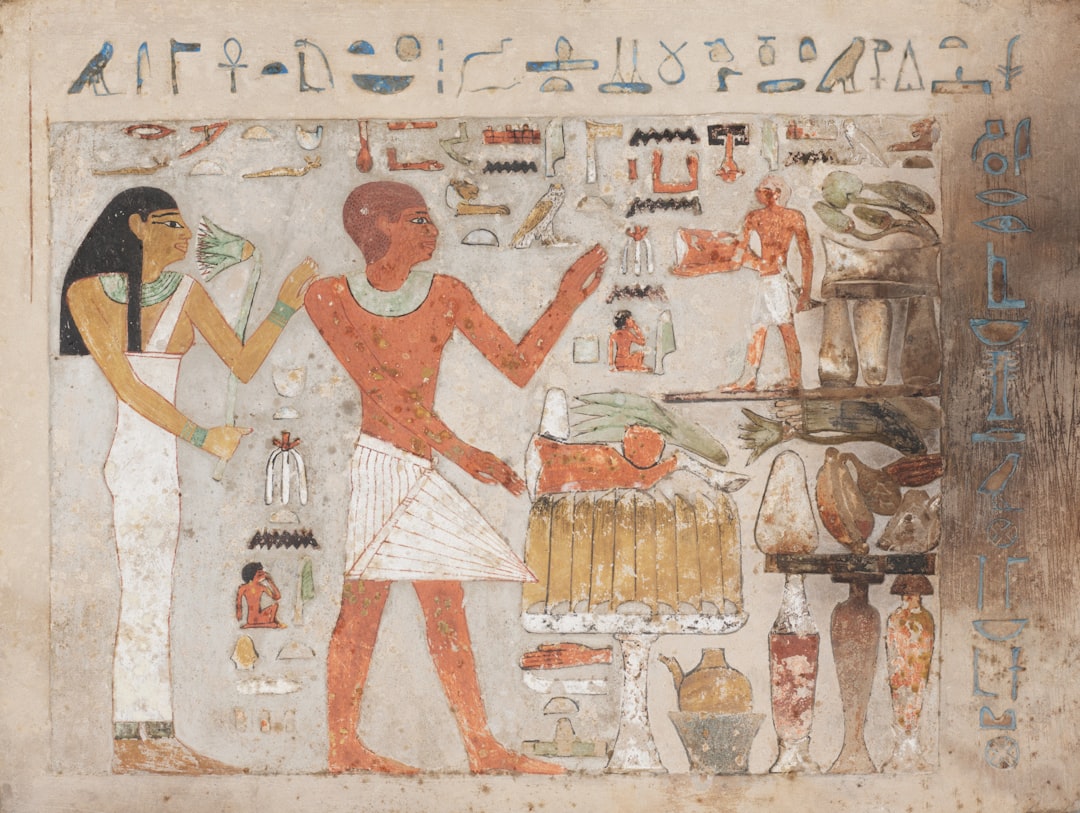
On Thursday, July 30, 2026, archaeologists made a significant discovery in Egypt, unveiling what is believed to be the tomb of an ancient official named Khnumhotep. This find provides valuable insights into the lesser-known aspects of Egyptian history and has generated considerable interest among historians, archaeologists, and the general public. In this comprehensive article, we will explore the details of this new archaeological discovery, key players involved, expert reactions, and broader implications.
Archaeological Context
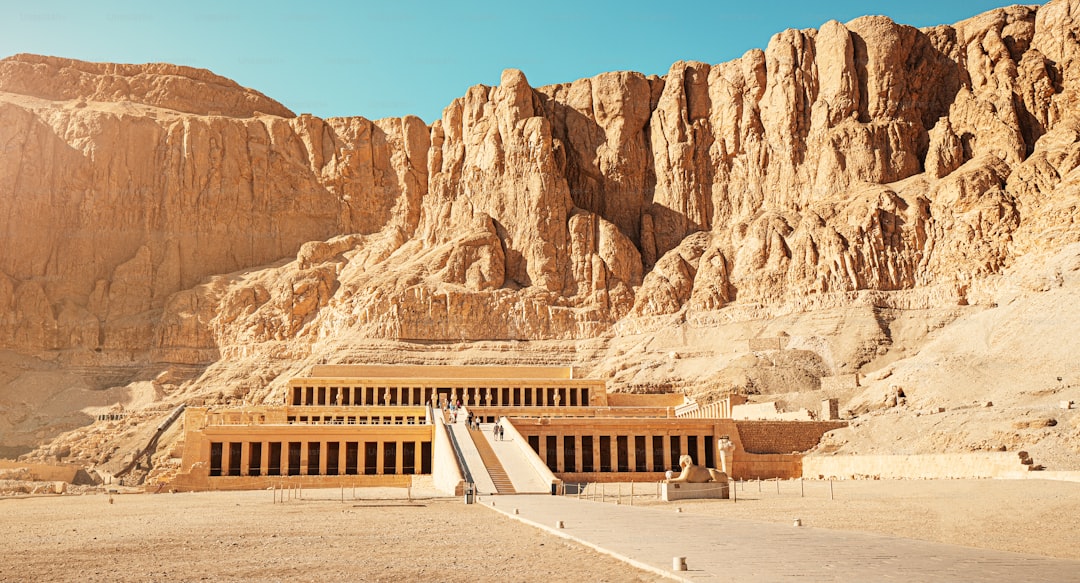
The excavation in question took place near the ancient city of Luxor, where numerous significant finds have been made over the years [source "World History"]. The tomb, located in a relatively unexplored area of the Western Valley, has yielded several well-preserved artifacts and inscriptions that offer new perspectives on Khnumhotep's life and role within the Egyptian society of his time.
Key Players
Dr. Amira El Sayed
Dr. Amira El Sayed, leading archaeologist from Cairo University, led the excavation team [source "World History"]. With over two decades of experience in Egyptology, El Sayed has contributed significantly to our understanding of ancient Egyptian history through various excavations and publications.
Mohamed Fathy
Mohamed Fathy, a seasoned conservator working with the Ministry of Antiquities, was instrumental in preserving the delicate artifacts found during the excavation [source "World History"].
Data and Evidence
The tomb itself is estimated to date back to the Middle Kingdom period (2055–1650 BCE), though further radiocarbon dating will be conducted to confirm this initial assessment [source "World History"]. Initial findings include:
- Artifacts: A collection of pottery, jewelry, and tools, providing insight into the daily life and trade practices during the Middle Kingdom era.
- Inscriptions: Hieroglyphic inscriptions on walls and burial chambers offer detailed accounts of Khnumhotep's life and duties, including his role as a scribe and his involvement in royal projects [source "World History"].
Expert Reactions
Dr. Amira El Sayed
Dr. El Sayed expressed excitement about the discovery: "This tomb provides us with an unprecedented glimpse into the daily lives of officials who were not necessarily high-ranking members of the nobility, but still played crucial roles in maintaining the stability and prosperity of ancient Egypt" [source "World History"].
Dr. Ahmed Moustafa
Dr. Ahmed Moustafa, a renowned historian from the American University in Cairo, noted that the tomb's contents are particularly valuable because they provide context to officials who were not as well-documented by contemporary sources: "These artifacts and inscriptions help us understand the social structure of the Middle Kingdom more comprehensively" [source "World History"].
Broader Implications
The discovery of Khnumhotep’s tomb has several broader implications for our understanding of ancient Egyptian history:
- Social Hierarchy: The tomb's contents suggest a more complex social hierarchy than previously thought, with officials occupying various roles and statuses within the bureaucracy.
- Economic Practices: The presence of trade goods and tools indicates economic activities beyond just agricultural pursuits during this period.
- Archaeological Techniques: The excavation methods employed by Dr. El Sayed’s team highlight advancements in archaeological techniques that allow for more thorough and accurate preservation and analysis of artifacts.
Current State of Research
Further research is needed to fully understand the historical context and significance of Khnumhotep's tomb. Radiocarbon dating will be conducted on organic materials found within the tomb, including bones and wood fragments [source "World History"]. Additionally, comprehensive conservation efforts are underway to preserve the delicate artifacts for future study.
Next Steps
- Further Excavation: Plans include expanding the excavation area to uncover additional chambers that may contain more artifacts or inscriptions.
- Public Engagement: The Ministry of Antiquities has announced plans for a public exhibit at Luxor’s newly renovated museum, showcasing the findings and offering interactive experiences related to ancient Egyptian life.
Conclusion
The discovery of Khnumhotep's tomb represents a significant milestone in our understanding of ancient Egyptian history. Through careful excavation and preservation efforts, archaeologists are uncovering new insights into the lesser-known aspects of this civilization. As research continues, we can expect further revelations that will reshape our knowledge of Egypt’s rich and complex past.
Key Takeaways
- Historical Context: The tomb dates back to the Middle Kingdom period (2055–1650 BCE).
- Key Player: Dr. Amira El Sayed led the excavation team, contributing significantly to Egyptian history research.
- Artifacts and Inscriptions: Artifacts include pottery, jewelry, tools, and hieroglyphic inscriptions providing insight into daily life and roles within ancient Egypt.
- Social Hierarchy: The tomb offers a more nuanced understanding of social structures during the Middle Kingdom era.
- Economic Practices: Evidence suggests a broader range of economic activities than previously known.
- Archaeological Techniques: Advanced methods used in the excavation enhance preservation and analysis.
[World History] (URL: [source "World History"] if available)