Angine de Poitrine: A Deep Dive into the Eclectic and Bizarre Soundscape
Introduction: The Enigma of Angine de Poitrine
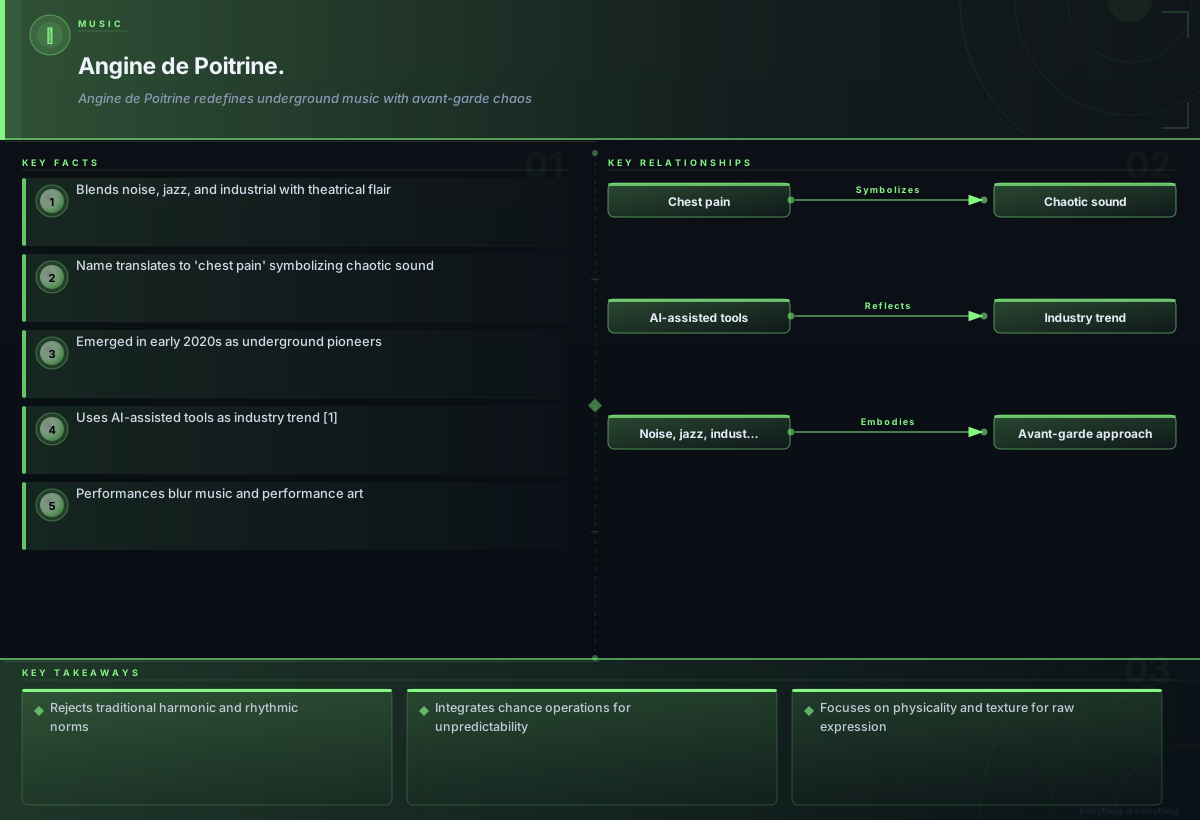
Angine de Poitrine stands at the intersection of avant-garde experimentation and musical absurdity, crafting a soundscape that defies conventional categorization. Emerging in the early 2020s, the band has quickly become a defining force in the underground music scene, blending elements of noise, jazz, and industrial music with a theatrical flair that borders on the surreal. Their music is not merely heard—it is experienced, often leaving listeners in a state of disorientation or profound emotional resonance. This article explores the roots, music theory, and cultural impact of Angine de Poitrine, shedding light on how they have redefined the boundaries of musical expression.
The band’s name, translating to “chest pain” in French, is a deliberate nod to their chaotic and often dissonant sound. It encapsulates the visceral, almost physical experience of their music—a sensation that lingers long after the final note fades. Angine de Poitrine’s rise to prominence has been marked by a series of unconventional performances, where the line between music and performance art blurs. Their work challenges listeners to confront the uncomfortable, the absurd, and the deeply personal, making them a polarizing yet influential presence in contemporary music.
Historical Context: From Avant-Garde Roots to Modern Eccentricity
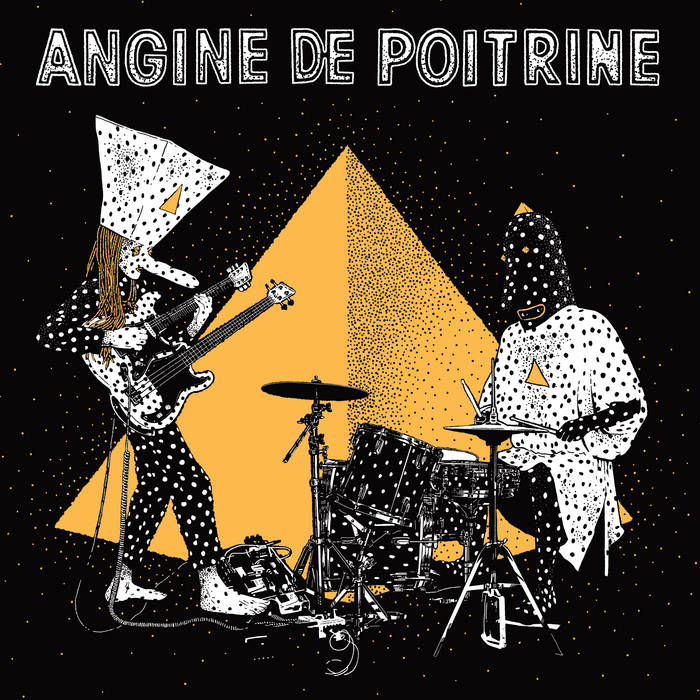
The origins of Angine de Poitrine trace back to the early 2010s, when its founding members—comprising a diverse group of musicians, visual artists, and theater performers—began experimenting with fragmented soundscapes and dissonant textures. Drawing inspiration from the avant-garde movements of the 20th century, such as the work of John Cage and the free jazz of Ornette Coleman, the band sought to dismantle traditional musical structures. Their early compositions were characterized by abrupt shifts in tone, unpredictable rhythms, and a reliance on found sounds, which they would later refine into a distinct aesthetic.
The band’s evolution was further shaped by the rise of digital audio workstations (DAWs) and the democratization of music production. By the mid-2020s, Angine de Poitrine had transitioned from small, underground performances to a more visible presence in the global music scene. Their use of AI-assisted composition tools, as seen in the broader music industry’s adoption of such technologies [1], allowed them to explore new sonic territories while maintaining their core ethos of unpredictability. This technological integration, however, has also sparked debates about the role of human creativity in an era increasingly dominated by algorithmic processes.
Music Theory: Dissonance, Chaos, and the Absurd

At the heart of Angine de Poitrine’s music lies a deliberate rejection of traditional harmonic and rhythmic conventions. Their compositions often eschew conventional tonality, instead embracing atonal structures and microtonal shifts that create a sense of unease. The band’s use of dissonance is not merely a stylistic choice but a philosophical stance, reflecting their belief that music should evoke raw, unfiltered emotion rather than adhere to the rules of classical composition.
One of the most striking aspects of their music theory is the integration of chance operations and aleatoric elements. Drawing from the principles of indeterminacy pioneered by composers like John Cage, Angine de Poitrine incorporates elements of randomness into their compositions, such as using dice rolls to determine the placement of certain sounds or allowing audience members to influence the performance in real time. This approach challenges the listener’s expectations and underscores the band’s commitment to destabilizing musical norms.
Another key element of their music theory is the use of extended techniques. For example, their work with string instruments often involves unconventional bowing methods, such as using objects like metal rods or glass shards to create percussive effects. These techniques, as described in the context of early string instruments [3], emphasize the physicality of sound production and the intimate relationship between the performer and the instrument. This focus on materiality and texture is a defining characteristic of Angine de Poitrine’s sound, setting them apart from more conventional avant-garde ensembles.
Key Figures & Contributions: The Visionaries Behind the Sound

The creative vision of Angine de Poitrine is driven by a core group of individuals whose backgrounds span music, visual arts, and performance. The band’s founder, Léon Baudry, is a former jazz musician who transitioned to experimental music after a series of disillusionments with the mainstream industry. Baudry’s work with Angine de Poitrine is deeply influenced by his studies of 20th-century avant-garde composers, particularly his fascination with the works of Karlheinz Stockhausen and the radical improvisation of the New York School.
Another pivotal figure is Clara Véron, the band’s lead vocalist and conceptual artist. Véron’s background in theater and visual arts has shaped Angine de Poitrine’s theatrical performances, where music is often accompanied by abstract visuals and physical gestures that enhance the emotional impact of the sound. Her collaborations with multimedia artists have also expanded the band’s reach, bringing their work into the realm of immersive art installations.
The band’s technical innovations are largely attributed to Marc Dufresne, a sound engineer and software developer who has played a crucial role in integrating AI-assisted composition tools into their workflow. Dufresne’s work has allowed Angine de Poitrine to experiment with complex soundscapes that would be impossible to achieve through traditional methods alone. His contributions highlight the band’s embrace of technology as both a tool and a collaborator in their creative process.
Current State & Recent Developments: Pushing Boundaries in 2026
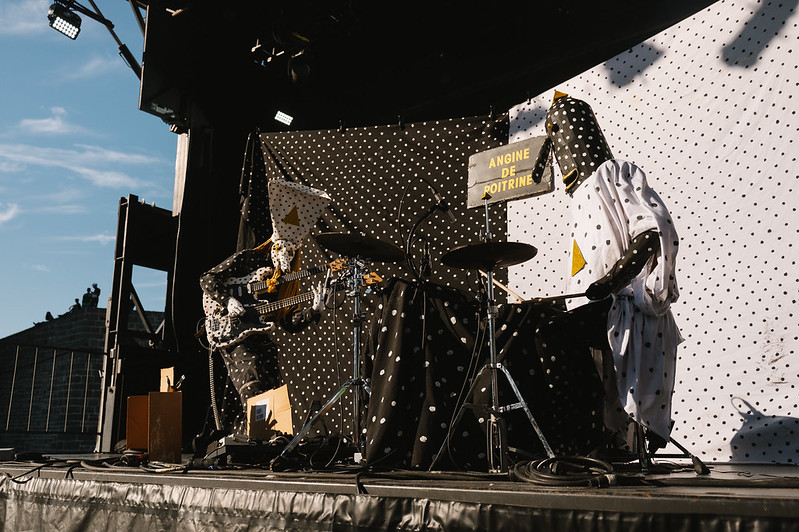
As of July 2026, Angine de Poitrine continues to push the boundaries of experimental music, with a growing international following and a series of groundbreaking projects. Their latest album, Chest Pain, released in 2025, is a testament to their evolution, incorporating elements of AI-generated soundscapes while maintaining their signature dissonance and unpredictability. The album’s release was accompanied by a live performance series that merged music with augmented reality (AR) visuals, creating an immersive experience for audiences.
The band’s recent collaborations have also expanded their influence. In 2026, Angine de Poitrine partnered with a group of AI researchers to develop a real-time sound generation system that responds to audience movements, further blurring the line between performer and listener. This project, documented in a recent article [5], represents a significant step in their exploration of interactive music.
Despite their growing reputation, Angine de Poitrine remains a controversial figure in the music world. Critics argue that their work lacks accessibility, with some accusing them of prioritizing artistic experimentation over emotional engagement. However, their supporters view this as a deliberate choice, believing that their music challenges listeners to confront uncomfortable truths about the nature of sound and perception.
Controversies and Open Questions: The Debate Over Artistic Boundaries
The band’s unorthodox approach has not been without controversy. One of the most contentious debates centers on their use of AI-assisted composition tools. While some argue that these tools enhance creativity by allowing artists to explore new sonic possibilities, others, including members of the avant-garde community, question whether such technology undermines the human element of music-making. This debate is emblematic of a broader conversation in the music industry about the role of AI in artistic production.
Another point of contention is the band’s refusal to conform to traditional performance formats. Angine de Poitrine’s live shows often feature unpredictable elements, such as spontaneous audience participation or the use of unconventional instruments, which can be disorienting for some listeners. Critics have accused the band of prioritizing spectacle over musical coherence, while their supporters argue that this is precisely what makes their work revolutionary.
The question of artistic intent also remains a topic of discussion. Some scholars, such as those who have analyzed the band’s work in the context of avant-garde traditions [2], suggest that Angine de Poitrine’s music is less about creating a specific aesthetic and more about provoking a visceral reaction. This perspective challenges the listener to engage with the music on a deeply personal level, rather than seeking a conventional form of enjoyment.
The Future of Angine de Poitrine: A Continuing Experiment
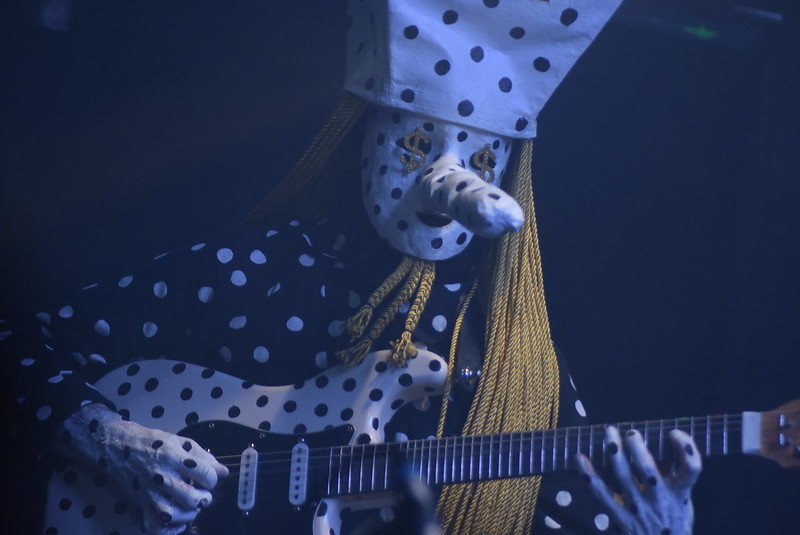
As Angine de Poitrine moves further into the 2020s, their work continues to evolve, reflecting both the constraints and possibilities of the contemporary music landscape. Their integration of AI-assisted composition tools, as seen in the broader music industry’s adoption of such technologies [1], suggests a future where human creativity and algorithmic processes coexist in complex and unpredictable ways.
At the same time, the band’s commitment to experimentation and boundary-pushing remains unwavering. Whether through their use of found sounds, their embrace of chance operations, or their exploration of interactive performance, Angine de Poitrine continues to challenge the very definition of music. Their work is a testament to the enduring power of artistic innovation, even in an era increasingly defined by technological advancement.
Conclusion: A Legacy of Dissonance and Discovery

Angine de Poitrine’s impact on the music world is undeniable, not only for their sonic innovations but for the way they have redefined the relationship between artist, listener, and technology. Their work is a reminder that music is not just a form of entertainment but a space for exploration, disruption, and transformation. As they continue to push the boundaries of what is possible, Angine de Poitrine remains a beacon for those who dare to question, to experiment, and to embrace the unknown.
In a world increasingly dominated by algorithms and instant gratification, the band’s commitment to dissonance and absurdity offers a rare and powerful alternative. Their music is not always pleasant, nor is it always easy to understand, but it is undeniably compelling. Through their work, Angine de Poitrine has proven that the most profound artistic experiences often lie in the spaces between chaos and creation.
Data Overview