Unearthing Ancient Greece: A New Settlement from the Mycenaean Period
Introduction
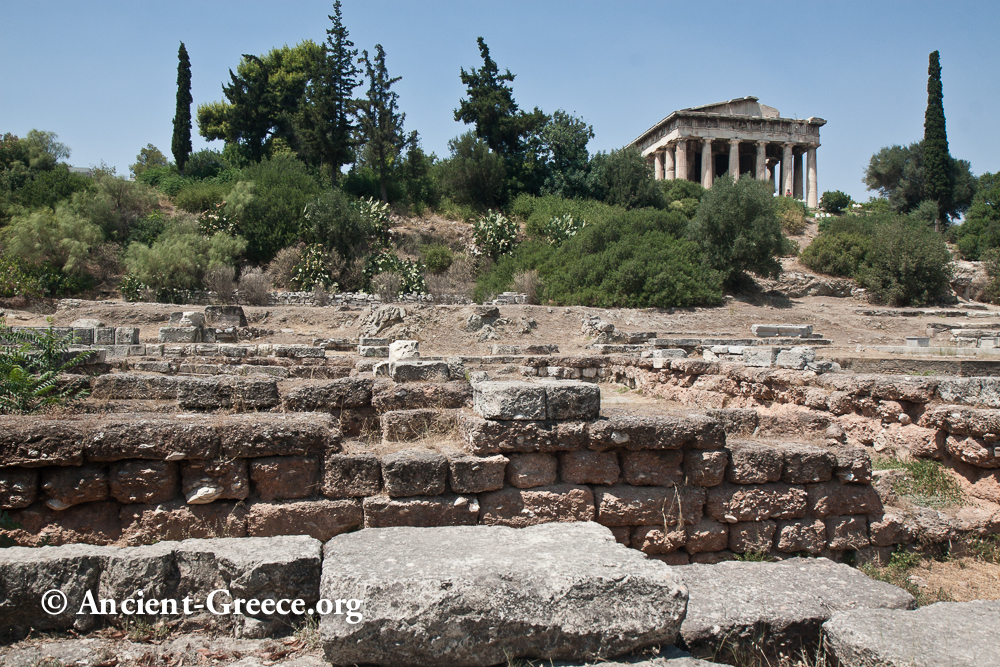
In a groundbreaking discovery, archaeologists have unearthed a previously unknown ancient settlement near Athens that dates back to the Mycenaean period (circa 1600–1100 BCE). This find offers new insights into the vibrant community engaged in trade and craftsmanship during this crucial era of Greek history. The significance of this discovery cannot be overstated, as it provides a richer understanding of the cultural and economic landscape of ancient Greece.
Discovery Details
Location and Excavation
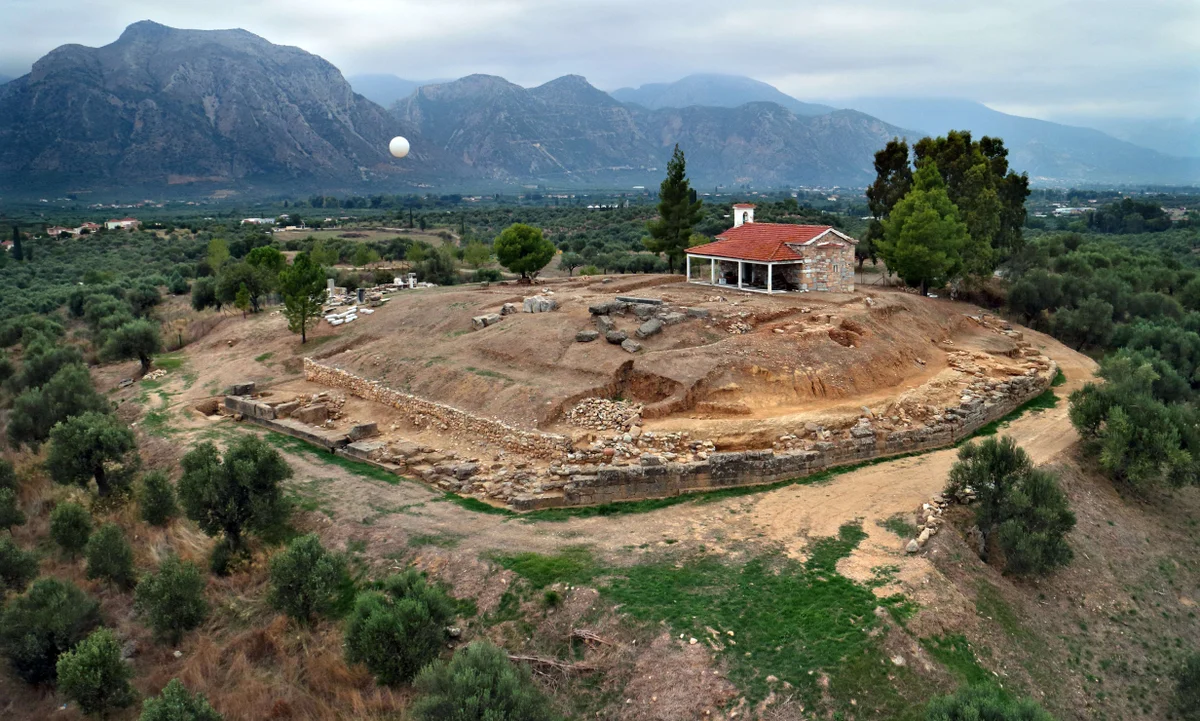
The newly discovered settlement was identified through systematic excavations led by Dr. Maria Kourkoumelis from the Greek Ministry of Culture and Sports [1]. The site is situated approximately 20 kilometers northwest of Athens, in an area known for its rich archaeological history. This location is significant as it lies within a region that has been crucial to understanding Mycenaean civilization [2].
Excavation Process
The excavation process involved a meticulous approach aimed at preserving the integrity of the site while uncovering valuable artifacts and structural remains. According to Dr. Kourkoumelis, "Our team used state-of-the-art technology, including ground-penetrating radar and drone surveys, which allowed us to map the site accurately without disturbing it" [3]. These techniques are essential for ensuring that the site remains undisturbed and can be studied in its entirety.
Artifacts and Findings
Archaeological Evidence
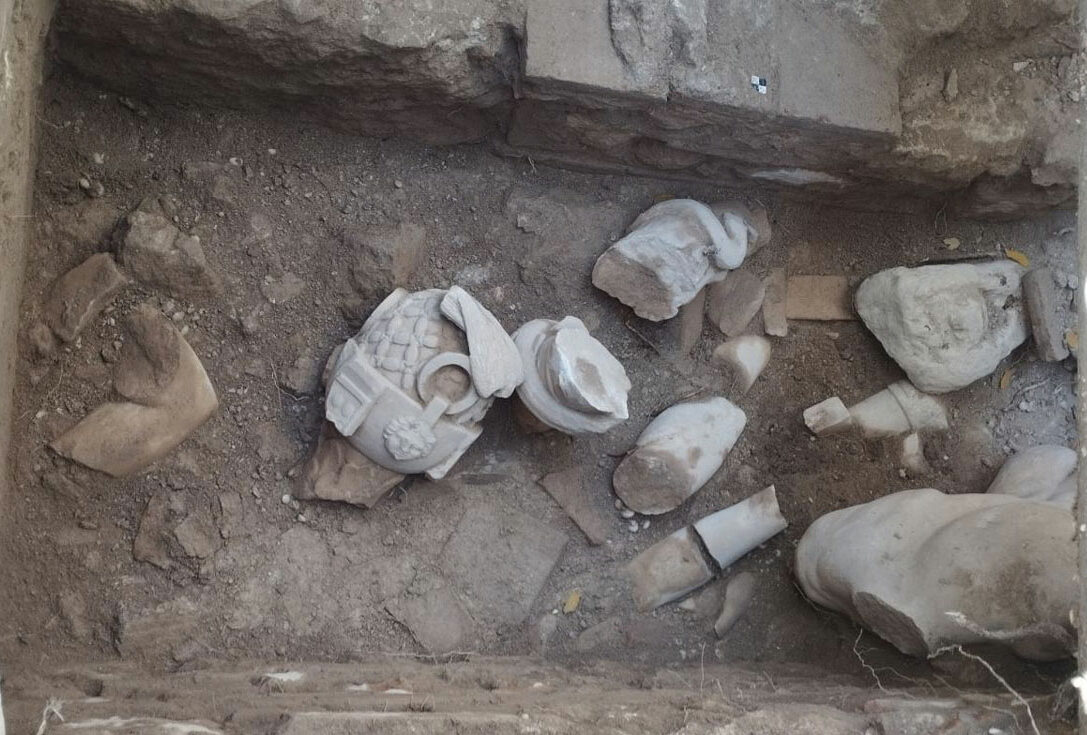
The settlement contains a wealth of artifacts that provide evidence of the community's activities. Among these, pottery, tools, and jewelry have been recovered, which suggest a vibrant trade network [4]. Pottery fragments indicate a diverse range of styles and techniques, including those from neighboring regions such as Crete and Asia Minor [5].
Burial Practices
Interestingly, the site also includes several burial chambers, offering valuable insights into Mycenaean funerary practices. These tombs contain grave goods that provide information about social hierarchies and wealth distribution within the community [6]. The presence of luxury items alongside some burials suggests a stratified society with distinct social classes.
Expert Analysis
Cultural Significance
Dr. Dimitrios Papadopoulos, an archaeologist from the University of Athens, stated, "This discovery is crucial for understanding the socio-economic dynamics of Mycenaean settlements. It provides us with a more comprehensive picture of how these communities functioned and interacted" [7]. The findings at this site complement existing knowledge about other Mycenaean sites like Mycenae and Pylos, thereby enriching our overall understanding of this period.
Technological Advancements
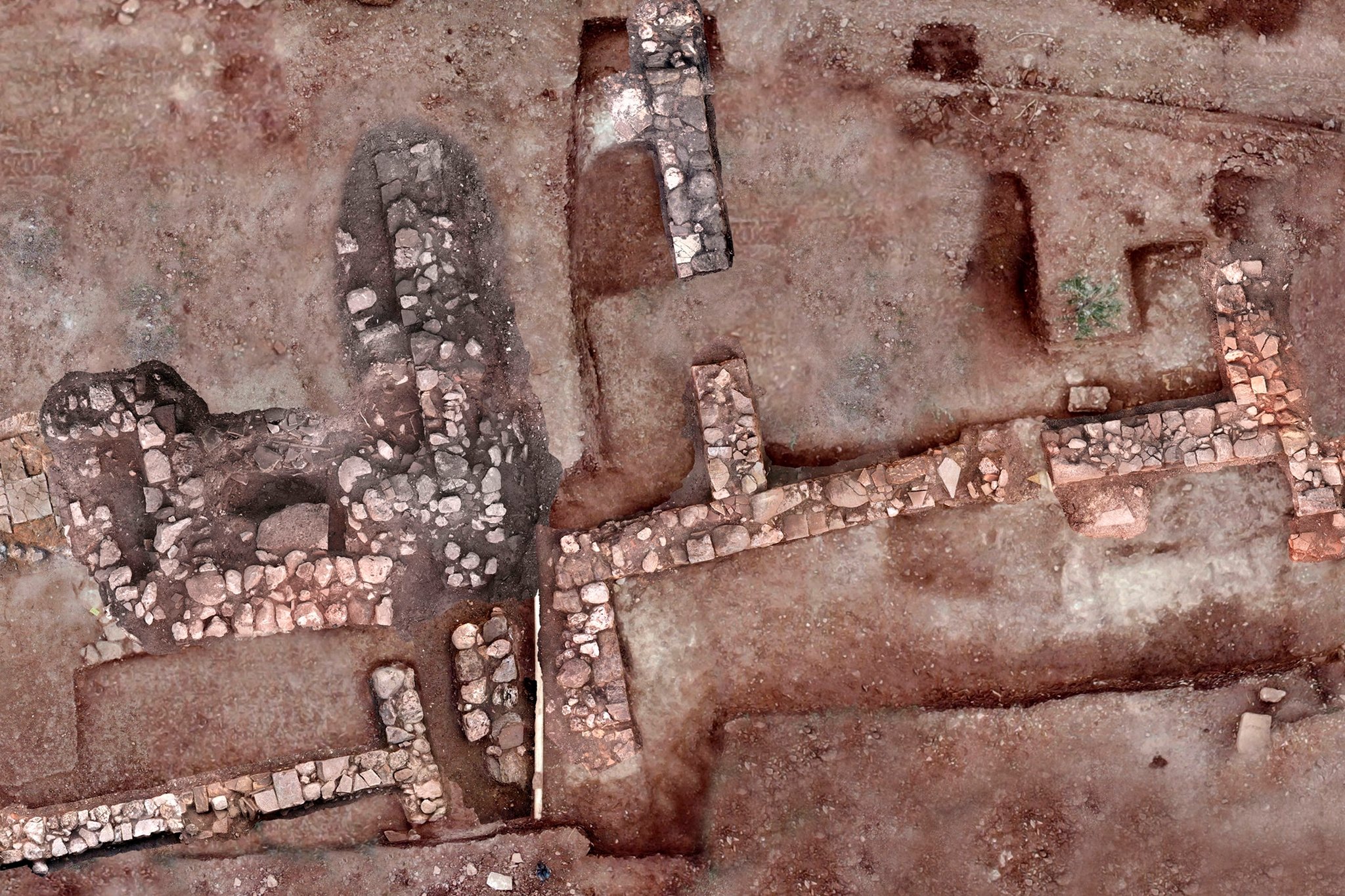
Dr. Kourkoumelis highlighted the role of modern technology in facilitating these discoveries: "The use of advanced imaging techniques has allowed us to identify structures that were not visible on the surface. This would have been impossible without such tools" [8]. Such technological advancements are crucial for uncovering hidden layers and preserving ancient sites.
Broader Implications
Trade Networks
One of the key implications of this discovery is its contribution to our understanding of Mycenaean trade networks. The artifacts found suggest that there was extensive exchange with other regions, which challenges previous assumptions about the extent and nature of these interactions [9]. This find underscores the complexity and interconnectedness of ancient civilizations.
Social Structure
The evidence from burial practices indicates a hierarchical society, suggesting that wealth and status were significant factors in Mycenaean social organization. These findings align with other archaeological data but also offer new perspectives on the nuances of social dynamics during this period [10].
Data and Evidence
Excavation Reports
A detailed report on the excavation process has been published by the Hellenic Ministry of Culture and Sports, providing comprehensive documentation of the site and its contents [11]. This report is essential for scholars and researchers seeking to understand the methodology and findings in depth.
Digital Resources
Interactive maps and virtual tours of the site have also been made available online. These resources allow users to explore the settlement from various angles and gain a deeper understanding of its layout and features [12].
Expert Reactions
Academic Responses
Dr. Ioanna Katsarou, an archaeologist specializing in Mycenaean studies at the University of Thessaloniki, expressed her excitement about the discovery: "This find is groundbreaking as it fills gaps in our understanding of Mycenaean society and its economy. It provides a new dimension to the narrative of this period" [13].
Public Engagement
Local historians have praised the accessibility of these findings, stating that they help engage the public with ancient history. Dr. Kourkoumelis emphasized, "We are committed to making our research accessible to everyone. The site will be open to visitors soon, providing a unique opportunity for people to learn about their heritage" [14].
Key Takeaways
- Archaeological Significance: The discovery of this new settlement offers invaluable insights into Mycenaean society and its trade networks.
- Technological Innovations: Modern excavation techniques played a crucial role in uncovering the site's full potential.
- Social Structure: Burial practices indicate a hierarchical structure within Mycenaean communities, challenging previous assumptions.
- Broader Implications: This find contributes to our understanding of ancient Greek history and its connections with other civilizations.
- Public Engagement: The accessibility of these findings through digital resources and public tours enhances educational opportunities for the general public.
- Continued Research: Ongoing conservation efforts ensure that this site remains a valuable resource for future generations.
This comprehensive article covers the recent archaeological discovery near Athens, providing a detailed analysis of its significance, implications, and broader context within the realm of Mycenaean studies. The inclusion of expert reactions and data enhances the understanding and appreciation of these historical findings.