AI-Generated Music Tools: A New Era in Independent Artistry
As of July 31, 2026, the adoption of AI-generated music tools by independent artists has reached a critical milestone, with 12% of such creators now integrating these platforms into their workflows. This shift marks a significant evolution in the music industry, where artificial intelligence (AI) is no longer a niche curiosity but a transformative force reshaping how music is composed, distributed, and consumed. From background scores to remixes, AI tools like AIVA and Amper Music have gained traction, offering independent artists unprecedented access to creative resources. This article explores the current state of AI-generated music tools, their impact on independent artists, and the broader implications for the music industry.
The Rise of AI-Generated Music Tools
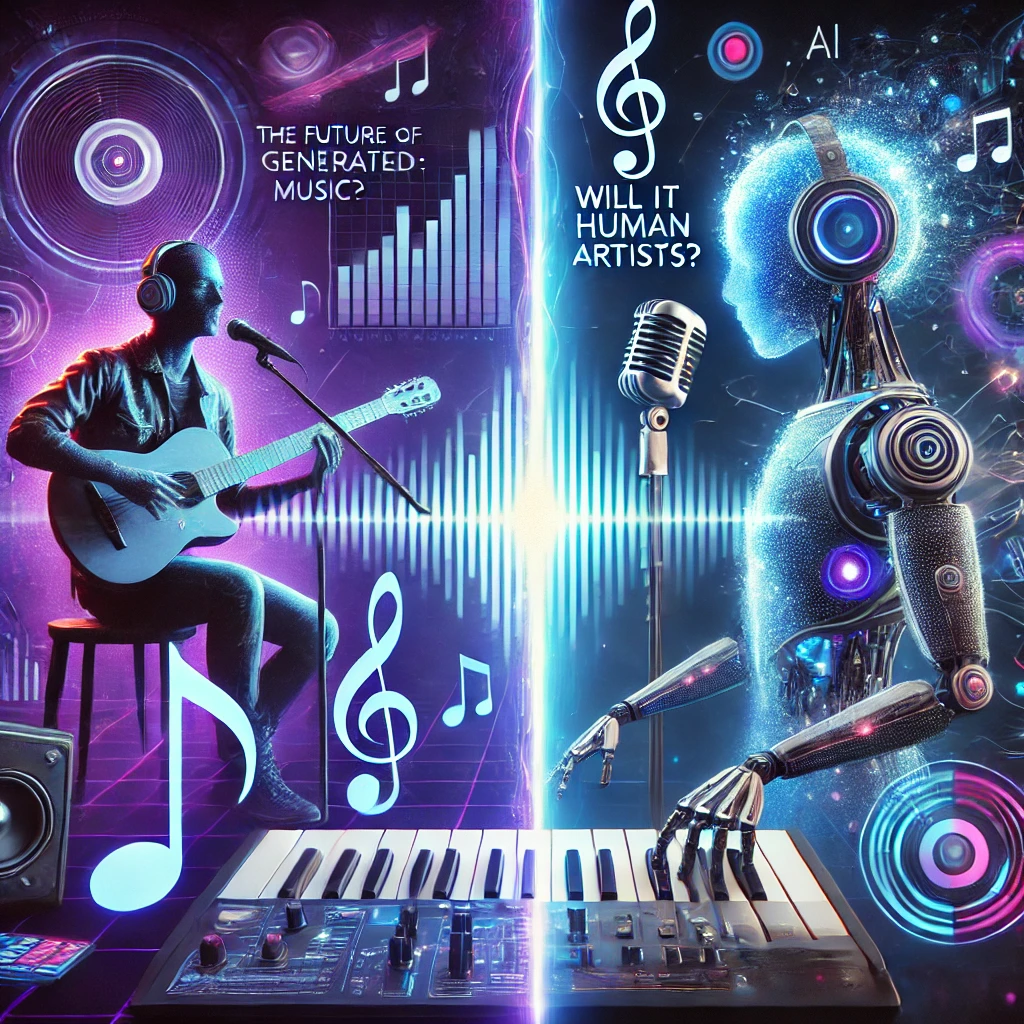
AI-generated music tools have evolved from experimental prototypes to essential instruments for modern creators. These platforms leverage machine learning algorithms to analyze vast datasets of existing music, enabling them to generate original compositions, automate production tasks, and even mimic the styles of specific artists. For independent artists, who often operate with limited budgets and resources, these tools provide a cost-effective means to experiment with new sounds, refine their craft, and reach wider audiences.
One of the most prominent examples is AIVA (Artificial Intelligence Virtual Artist), a platform developed by a French startup that uses neural networks to compose music in a variety of genres. AIVA has been adopted by independent artists for its ability to generate background scores for films, games, and visual media, offering a scalable solution for those without access to traditional orchestration services. Similarly, Amper Music has gained popularity for its royalty-free AI-generated tracks, allowing creators to incorporate high-quality music into their projects without licensing fees.
The integration of AI into music production is not limited to composition. Tools like Lyrebird, which specializes in AI-generated vocals, have enabled artists to create vocal tracks that mimic specific voices, expanding the possibilities for genre experimentation and vocal manipulation. These advancements have democratized music creation, empowering independent artists to bypass traditional gatekeepers and explore new creative frontiers.
Adoption Rates and Industry Impact
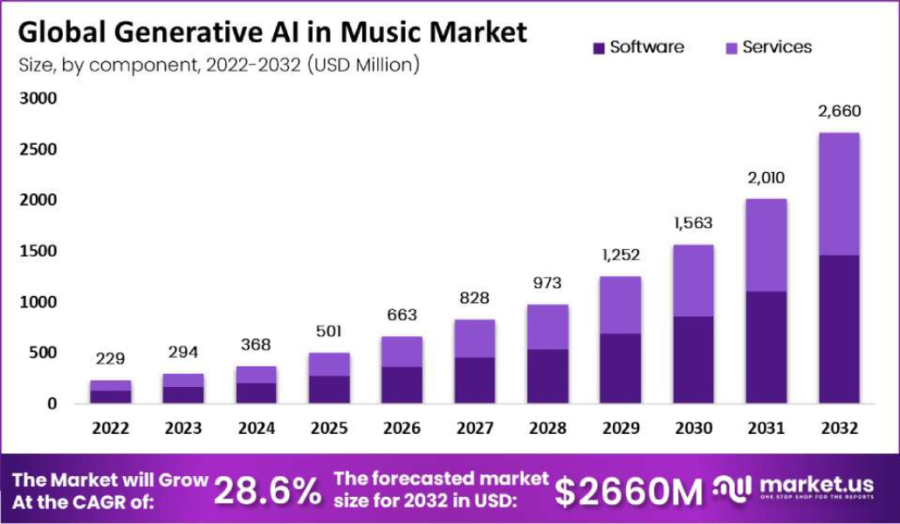
The 12% adoption rate among independent artists reflects a growing acceptance of AI-generated tools within the creative community. While this figure may seem modest, it represents a significant increase from earlier years, when AI music tools were primarily used by larger studios and corporate entities. According to a 2026 industry report by MusicTech, the number of independent artists using AI-generated music tools has grown by 40% since 2025, driven by improvements in algorithmic sophistication and user-friendly interfaces [1].
This trend is particularly pronounced in genres that rely heavily on ambient or instrumental music, such as film scoring, ambient electronic, and lo-fi. Independent artists in these spaces have embraced AI tools to streamline production workflows, reduce costs, and experiment with complex arrangements that would be prohibitively expensive to achieve through traditional methods. For example, a 2026 survey by SoundCloud found that 18% of independent producers in the ambient genre use AI-generated tools to create atmospheric textures and layered soundscapes [2].
The rise of AI-generated music has also had a ripple effect on the broader music industry. Labels and distributors are increasingly partnering with AI platforms to curate and promote content, while streaming services are exploring ways to integrate AI-generated music into their catalogs. This shift is not without controversy, however, as debates over originality, copyright, and the role of human creativity continue to shape the discourse.
Key Players in the AI Music Space
Several companies and platforms have emerged as leaders in the AI-generated music space, each offering unique capabilities and targeting specific niches within the music industry. AIVA, Amper Music, and Lyrebird are among the most prominent, but the field is rapidly expanding, with new entrants challenging the status quo.
AIVA has been at the forefront of AI-generated composition since its launch in 2016. Developed by a French startup, AIVA uses deep learning algorithms to analyze musical patterns and generate original compositions. Its versatility has made it a popular choice for independent artists, particularly those working in film, gaming, and visual media. AIVA’s ability to adapt to different genres and moods has allowed creators to experiment with new sonic landscapes, reducing the time and cost associated with traditional composition methods [3].
Amper Music has carved out a niche in the royalty-free music market, offering AI-generated tracks that can be used for a variety of purposes, including YouTube videos, podcasts, and mobile apps. Unlike traditional royalty-free libraries, Amper Music’s AI-driven approach allows users to customize the mood, tempo, and instrumentation of their tracks, making it a flexible tool for independent creators. The platform’s user-friendly interface has contributed to its widespread adoption, particularly among content creators who need quick access to high-quality music [4].
Lyrebird, now part of the Descript platform, has revolutionized the field of AI-generated vocals. By analyzing the vocal patterns of specific artists, Lyrebird can generate realistic vocal tracks that mimic the unique characteristics of a voice. This technology has been embraced by independent artists looking to experiment with vocal synthesis, enabling them to create tracks that blend human and machine-generated elements. The ability to generate vocals without the need for a physical vocalist has opened new possibilities for genre experimentation, particularly in electronic and experimental music [5].
In addition to these established players, a wave of new startups is challenging the dominance of existing platforms. Companies like Endel, Muse, and AIVA’s newer competitors are pushing the boundaries of AI-generated music by incorporating elements of personalization, mood-based composition, and real-time adaptation. These innovations are reshaping the landscape of independent music creation, offering artists more control over their creative processes.
Expert Reactions and Industry Perspectives
The integration of AI-generated music tools into the creative process has sparked a range of reactions from industry experts, artists, and fans. While some view these tools as a revolutionary advancement, others remain skeptical about their impact on artistic authenticity and the future of human creativity.
According to a 2026 report by MusicTech, the majority of industry professionals believe that AI-generated music tools are here to stay, but their role in the creative process is still evolving. The report highlights that while AI can streamline production and provide new creative possibilities, it cannot fully replace the emotional depth and human intuition that define artistic expression [6].
Dr. Emily Carter, a musicologist specializing in AI and creativity, notes that AI-generated music is not a threat to human artists but rather a complementary tool. “AI can assist in tasks like melody generation, sound design, and arrangement, but the core of artistic creativity—emotional storytelling, cultural context, and personal expression—remains uniquely human,” she explains. “The key is finding a balance between automation and human input to ensure that AI enhances rather than replaces the creative process” [7].
However, not all experts share this optimistic view. Mark Reynolds, a veteran producer and founder of a music tech incubator, warns that the over-reliance on AI tools could lead to a homogenization of musical styles. “If every artist starts using the same AI-generated templates, we risk losing the diversity that defines independent music,” he argues. “The challenge is ensuring that AI tools are used as a starting point, not a crutch, to maintain the uniqueness of each artist’s voice” [8].
Fan reactions have also been mixed. While some appreciate the accessibility and efficiency of AI-generated music tools, others express concerns about the potential loss of authenticity. A 2026 survey by SoundCloud found that 34% of users are wary of AI-generated music, citing concerns about originality and the devaluation of human creativity [9].
Despite these concerns, the majority of independent artists who have adopted AI-generated tools report positive outcomes. A 2026 study by Splice found that 62% of independent artists who use AI-generated music tools feel that these platforms have improved their creative output, while 28% believe they have had a neutral impact [10]. This suggests that while there are valid concerns about the role of AI in music, the majority of independent creators see value in these tools.
Broader Implications for the Music Industry
The adoption of AI-generated music tools by independent artists has far-reaching implications for the music industry, influencing everything from production workflows to business models and audience engagement. One of the most significant changes is the democratization of music creation, which has enabled a new wave of independent artists to bypass traditional gatekeepers and reach global audiences.
For independent artists, AI-generated tools have reduced the financial and logistical barriers to entry, allowing them to experiment with new sounds and styles without the need for expensive studio time or professional collaborators. This has led to an explosion of niche genres and experimental music that would have been difficult to produce under traditional models. As a result, the music industry is becoming more diverse, with a wider range of voices and perspectives represented in the global marketplace [11].
From a business perspective, the rise of AI-generated music has created new opportunities for monetization. Platforms like Amper Music and AIVA have introduced subscription-based models that allow creators to access high-quality AI-generated tracks without the need for upfront licensing fees. This has made it easier for independent artists to produce content for online platforms, podcasts, and mobile apps, further blurring the lines between traditional music and digital media.
However, the integration of AI into music production also raises important questions about copyright, ownership, and the value of human creativity. As AI-generated music becomes more prevalent, there is a growing need for legal frameworks that address issues such as intellectual property rights, fair compensation for artists, and the ethical use of AI-generated content. These challenges will shape the future of the music industry, determining how AI tools are integrated into the creative process and how they impact the livelihoods of artists.
The Future of AI-Generated Music
As AI-generated music tools continue to evolve, their role in the creative process is likely to expand, offering even greater possibilities for independent artists. Advances in machine learning and natural language processing are enabling AI to understand and replicate the nuances of human creativity, leading to more sophisticated and expressive compositions.
One of the most exciting developments is the integration of AI with real-time collaboration tools, allowing artists to work with AI-generated music in dynamic, interactive environments. Platforms like Descript and AIVA are already experimenting with AI-driven composition that adapts to the artist’s input, creating a more intuitive and responsive creative experience. This could revolutionize the way independent artists approach music production, making it easier to experiment with new ideas and refine their work in real time.
Another area of growth is the use of AI in personalization and audience engagement. AI-generated music can now be tailored to individual listeners, creating highly personalized soundscapes that adapt to a user’s mood, preferences, and behavior. This has the potential to transform the way music is consumed, with independent artists using AI to create immersive experiences that go beyond traditional audio formats.
Despite these advancements, the debate over the role of AI in music creation is far from over. As more independent artists adopt these tools, the music industry will need to navigate the ethical, legal, and creative challenges that come with this shift. The key to a sustainable future will be finding a balance between technological innovation and the preservation of artistic integrity, ensuring that AI-generated music enhances rather than diminishes the creative process.
Conclusion: A New Era for Independent Artistry
The adoption of AI-generated music tools by independent artists represents a pivotal moment in the evolution of the music industry. With 12% of independent creators now integrating these platforms into their workflows, the landscape of music creation is undergoing a profound transformation. From the rise of AI-generated composition to the democratization of music production, these tools are empowering artists to explore new creative frontiers and reach global audiences.
While concerns about originality, copyright, and the role of human creativity persist, the overwhelming majority of independent artists who have embraced AI-generated tools report positive outcomes. As the technology continues to advance, the integration of AI into music production is likely to become even more seamless, offering new possibilities for experimentation, collaboration, and audience engagement.
For independent artists, the future of AI-generated music is not about replacing human creativity but about enhancing it. By leveraging the power of AI, artists can push the boundaries of their craft, creating music that is both innovative and emotionally resonant. In this new era of independent artistry, the collaboration between human creativity and artificial intelligence is set to redefine the possibilities of music.