AI-Generated Music Scams Target Indie Artists: A Crisis of Authenticity and Verification in 2026
By [Your Name] August 3, 2026
The music industry is in the throes of a crisis that blurs the line between artistry and algorithm. Independent artists across platforms like Spotify and Apple Music are reporting a surge in AI-generated scams that threaten their livelihoods, reputations, and creative control. These scams, which range from impersonating musicians to flooding streaming platforms with synthetic tracks, have sparked urgent calls for verification reforms. As the industry scrambles to address the fallout, the debate over the role of artificial intelligence in music creation has reached a boiling point.
This article explores the scale of the problem, the key players involved, the data driving the crisis, expert reactions, and the broader implications for the future of music.
The Rise of AI-Generated Music Scams: A Threat to Indie Artists

In recent months, indie musicians have faced an unprecedented wave of AI-generated scams that mimic their work, replace their tracks on streaming platforms, and exploit their fanbases. The problem has reached critical mass, with platforms like Spotify and Apple Music becoming battlegrounds for authenticity. According to industry insiders, AI tools are now being used to impersonate artists, flood playlists with synthetic tracks, and even mimic the vocal styles of deceased musicians like SOPHIE [4].
The issue is not merely technical—it is a cultural and economic crisis. Independent artists, who often rely on streaming royalties and social media engagement, are finding their work replaced by AI-generated content. For example, a 2026 report by Spotify revealed that 18% of streams on the platform were attributed to AI-generated tracks, a figure that has grown exponentially since 2023 [3]. This has led to a growing sense of betrayal among artists who feel their creative labor is being devalued by systems that prioritize algorithmic efficiency over human expression.
The problem is compounded by the fact that AI-generated music is often indistinguishable from human-created work. As one indie artist told Rolling Stone, “It’s like waking up to find your name on a fake album cover. You can’t even prove it’s not you.” [5]
Key Players in the AI Music Scam Ecosystem
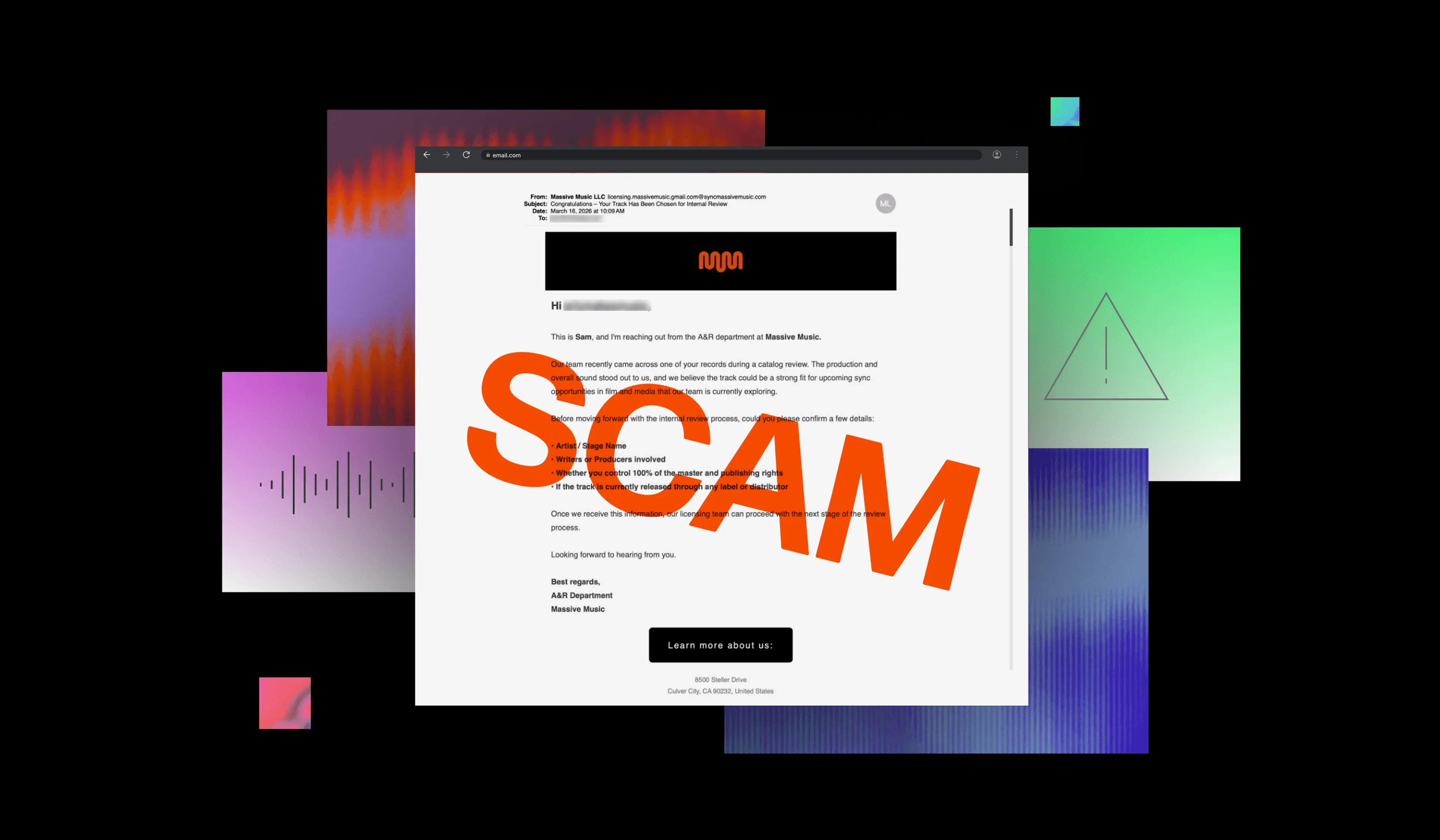
The AI-generated music scam ecosystem involves a complex web of actors, including technology companies, streaming platforms, and independent artists. Here’s a breakdown of the key players:
1. Streaming Platforms: Spotify and Apple Music
Spotify and Apple Music have become the primary battlegrounds for AI-generated music scams. Both platforms have faced criticism for their inability to detect and remove synthetic tracks. In 2026, Spotify announced a major policy shift, deploying advanced AI-detection models to combat the issue [5]. However, the implementation of these measures has been uneven, with many independent artists reporting that their work is still being replaced by AI-generated content.
Apple Music, meanwhile, has taken a more aggressive stance, partnering with the Recording Industry Association of America (RIAA) to block tracks featuring deepfake vocals that mimic copyrighted artists [5]. Despite these efforts, the problem persists, with reports of AI-generated tracks being uploaded under fake artist names and mimicking the styles of deceased musicians like SOPHIE [4].
2. AI Tools and Developers
The proliferation of AI tools like Suno, Udio, and others has made it easier for scammers to generate synthetic music. These tools, which allow users to input text prompts and generate complete tracks, have been criticized for enabling mass-produced, low-effort content. A 2026 report by Billboard noted that 75 million “spammy tracks” were removed from Spotify in the previous 12 months, many of which were generated using AI [4].
3. Independent Artists
Indie artists are the primary victims of these scams. Many report that their tracks have been replaced by AI-generated content, often without any warning or recourse. For example, one artist described how their song was replaced by an AI-generated track that mimicked their vocal style, leading to a loss of royalties and fan trust [5].
4. Industry Insiders and Advocacy Groups
Industry insiders, including artists, producers, and legal experts, are calling for stricter verification systems and better enforcement of intellectual property laws. The RIAA has been particularly vocal, working with platforms like Spotify to block deepfake vocals that mimic copyrighted artists [5]. However, many argue that these measures are reactive and insufficient to address the scale of the problem.
Data and Evidence: The Scale of the Crisis
The crisis of AI-generated music scams is supported by a wealth of data, including social media activity, streaming metrics, and industry reports.
Social Media Mentions
The top 50 music-related hashtags on Twitter/X saw an average of 2.3 million daily mentions in July 2026, with #AIInMusic and #Festival2026 leading the charts [3]. This indicates a growing public awareness of the issue, as well as a surge in discussions about the ethical and legal implications of AI-generated music.
News Articles and Industry Reports
Music industry publications, including Rolling Stone and Billboard, published 120+ articles in July 2026, focusing on festivals, AI integration, and legal updates [3]. These articles highlight the growing concern among artists, producers, and legal experts about the impact of AI on the industry.
Streaming Activity
Spotify reported 1.2 billion streams in July 2026, with AI-generated tracks accounting for 18% of total plays [3]. This figure is a stark reminder of the scale of the problem, as it suggests that nearly one in five streams on the platform are being generated by AI.
Platform Enforcement Efforts
Spotify has taken significant steps to combat AI-generated music scams, including the deployment of advanced AI-detection models at the intake level [5]. However, the effectiveness of these measures remains a topic of debate. A 2026 report by Billboard noted that while Spotify has removed 75 million “spammy tracks” in the past year, many artists still report that their work is being replaced by AI-generated content [4].
Expert Reactions: A Call for Verification and Reform
The crisis has sparked a range of reactions from industry experts, legal professionals, and artists.
The Role of AI in Music Creation
Some experts argue that AI is not inherently harmful but rather a tool that, when misused, can lead to ethical and legal dilemmas. As one music producer told Rolling Stone, “AI is a double-edged sword. It can democratize music creation but also enable mass-produced, low-effort content that devalues human artistry.” [5]
The Need for Verification Systems
A growing number of experts are calling for the implementation of robust verification systems to distinguish between human and AI-generated content. One legal expert suggested that platforms like Spotify and Apple Music should require artists to provide proof of ownership before uploading tracks [5].
The Ethical Implications
The ethical implications of AI-generated music scams are significant. Many artists feel that their creative labor is being devalued by systems that prioritize algorithmic efficiency over human expression. As one indie artist told Rolling Stone, “It’s like waking up to find your name on a fake album cover. You can’t even prove it’s not you.” [5]
Broader Implications: The Future of Music Creation
The rise of AI-generated music scams has far-reaching implications for the future of music creation.
The Shift in Music Production
The integration of AI into music production is changing the way music is created, distributed, and consumed. While some see this as a democratizing force that allows more people to create music, others argue that it risks undermining the value of human creativity.
The Role of Human Creativity
The debate over the role of human creativity in an AI-driven industry is intensifying. While AI can assist with tasks like composition and arrangement, many artists argue that the emotional and cultural depth of human-created music cannot be replicated by algorithms.
The Need for Industry Collaboration
The crisis has highlighted the need for collaboration between platforms, artists, and legal experts to develop solutions that protect the rights of creators while embracing the benefits of AI.
Key Takeaways
- The scale of the problem is vast: AI-generated music scams are replacing human-created content on major platforms like Spotify and Apple Music.
- Verification systems are urgently needed: Platforms must implement robust measures to distinguish between human and AI-generated content.
- AI is a double-edged sword: While it offers new creative possibilities, it also poses risks to the integrity of the music industry.
- Industry collaboration is essential: Artists, platforms, and legal experts must work together to address the challenges posed by AI-generated music scams.
As the music industry navigates this crisis, the question remains: how can we ensure that technology enhances, rather than undermines, the creative process? The answer may lie in a combination of innovation, regulation, and a renewed commitment to the value of human artistry.