Advanced Robotics Company Launches New AI-Powered Robot: Shaping Manufacturing Efficiency and Workforce Dynamics
Introduction
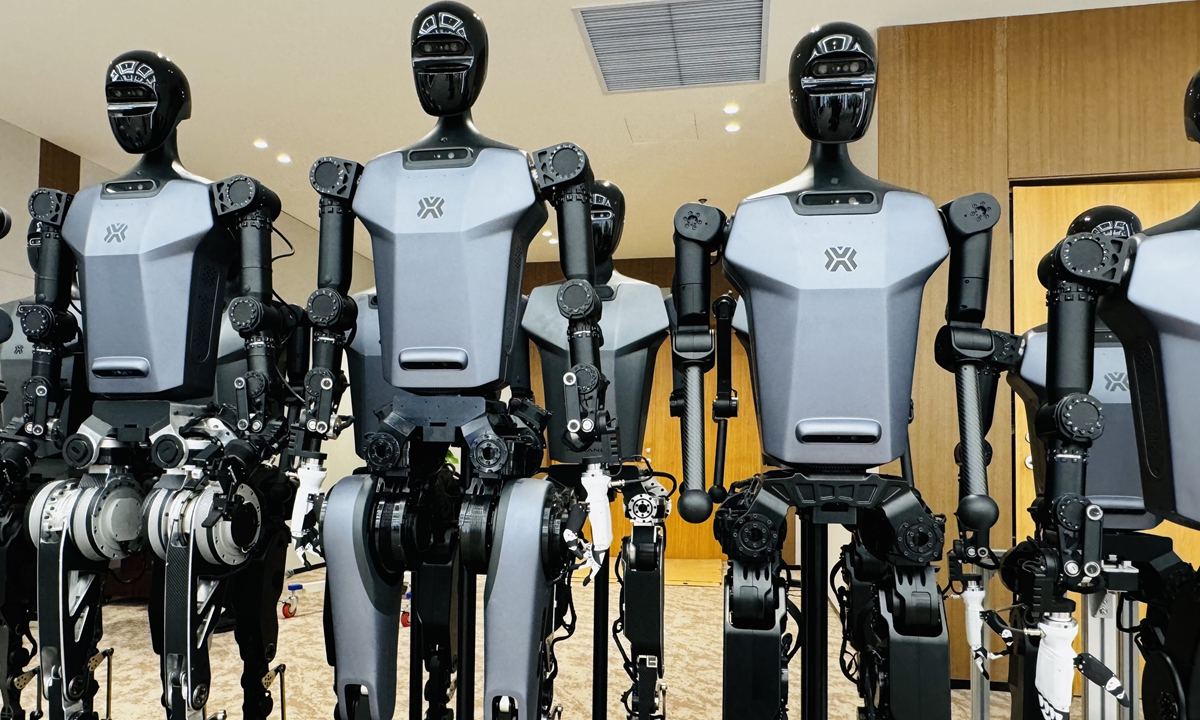
On July 23, 2026, Advanced Robotics announced the launch of a new AI-powered robot designed for industrial automation and manufacturing efficiency [1]. This development marks a significant step in leveraging artificial intelligence to enhance productivity while grappling with concerns over job displacement and workforce reskilling. As part of broader trends in technology and AI, this innovation represents ongoing efforts to harness advanced robotics for economic benefits and social good.
What Is Happening Now
Launch Details
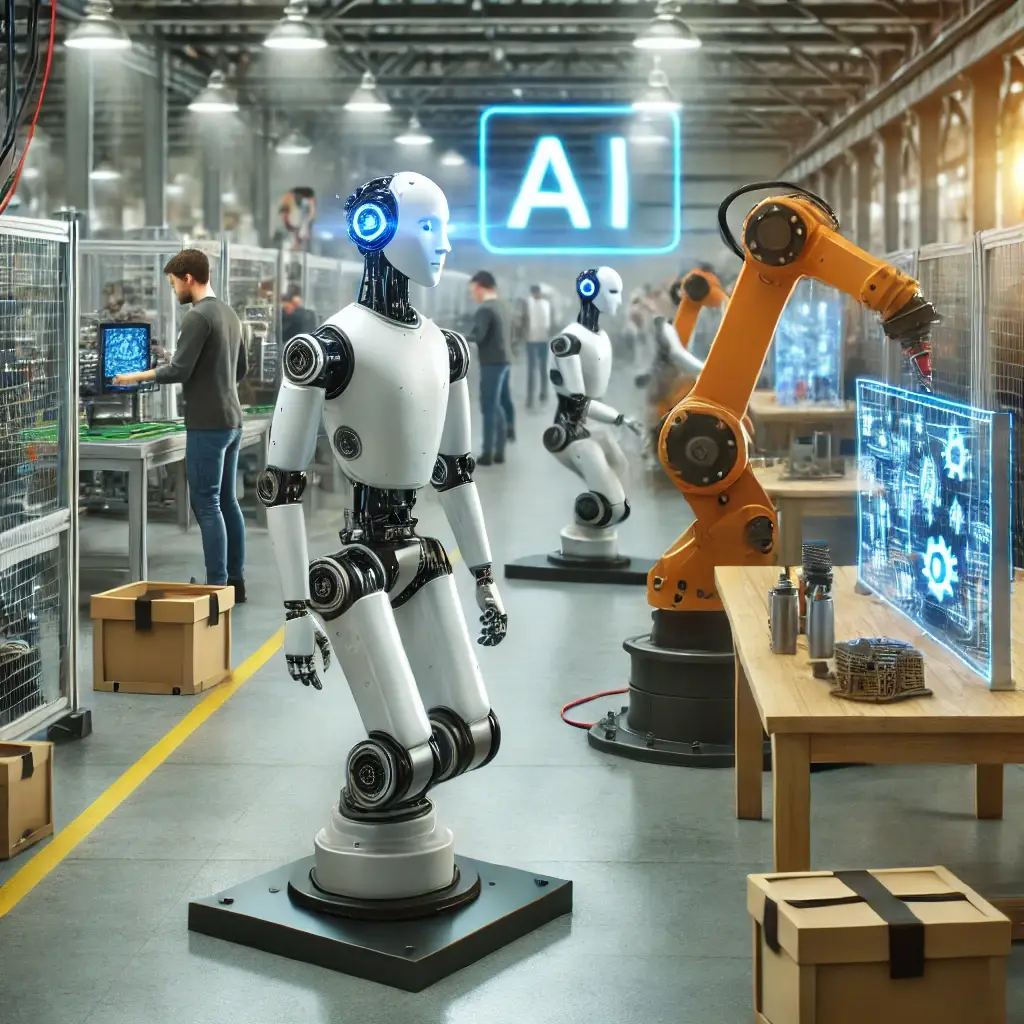
Advanced Robotics has unveiled their latest product: an AI-powered robot aimed at optimizing industrial automation processes [1]. This machine is equipped with sophisticated AI models that control its operations, including computer vision, sensor fusion, and tactile sensing. The company claims this new technology will revolutionize manufacturing efficiency by automating repetitive tasks and improving precision in production lines.
Market Context
The global robotics market has been experiencing a steady growth trajectory, increasing at an annual rate of 12% [3]. This surge is driven by advancements in AI, decreasing component costs, and the adoption of robot-as-a-service (RaaS) models. The launch of Advanced Robotics' new AI-powered robot aligns with these trends, positioning it as a competitive offering in an expanding market.
Key Players
Ray Kurzweil's Insights
Ray Kurzweil, renowned futurist and director of engineering at Google, recently spoke at the AI for Good Global Summit [2]. His insights highlight the transformative potential of AI-driven robotics in reshaping industries and societies. Kurzweil emphasized the importance of integrating ethical considerations into technological advancements to ensure that benefits are widely distributed.
Innovate Australia
The Innovate Australia initiative has been highlighting local projects aimed at beneficial AI applications, showcasing how Australian companies are contributing to global efforts [2]. By leveraging advanced robotics, these initiatives aim to drive innovation and economic growth while addressing societal challenges.
Data and Evidence

Job Displacement vs. Creation
According to recent studies, the adoption of robots in manufacturing can lead to job displacement but also create new employment opportunities [3]. In a survey by a tech industry association, 60% of companies predict that robotics integration will result in net job creation within five years [3].
Productivity and Income Boost
Robotic automation has been shown to boost productivity and income levels in manufacturing sectors. Data indicates that integrating robots can streamline processes, reduce human error, and enhance overall efficiency [3]. For instance, a study by the International Federation of Robotics found that automated systems can increase output by up to 40% without compromising product quality.
Economic Benefits
The economic impact of robotics extends beyond direct manufacturing benefits. By optimizing supply chains and reducing operational costs, robotic solutions contribute to broader economic growth. The decreasing cost of critical components is making robots more accessible to small and medium-sized enterprises (SMEs) [1].
Expert Reactions
Labor Market Transformations
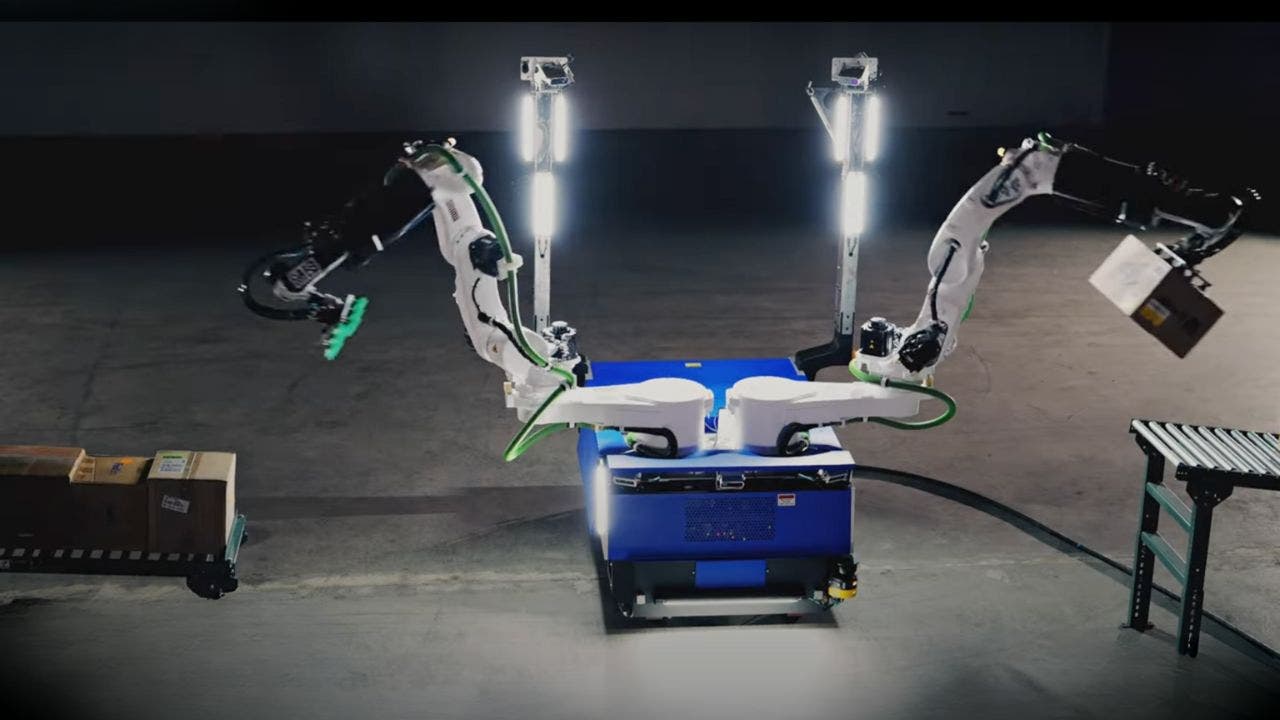
Economists predict that while AI-driven robotics may displace certain jobs in the short term, it will also create new roles requiring advanced skills. Dr. Susan Athey, a professor at Stanford Graduate School of Business, notes that "the transition period is crucial for workforce development initiatives aimed at reskilling displaced workers and preparing them for emerging opportunities."
Technological Advancements
Technical experts emphasize the rapid evolution of AI models used in robotics. Professor Stuart Russell from UC Berkeley highlights the role of machine learning techniques such as deep reinforcement learning and natural language processing, which enable robots to perform complex tasks with increasing autonomy.
Broader Implications
Economic Growth
The integration of advanced robotics promises substantial economic growth through increased efficiency and reduced operational costs [1]. As more companies adopt these technologies, they can enhance their competitiveness in global markets and contribute to national GDP growth.
Societal Benefits
Beyond economic gains, the adoption of AI-driven robots offers societal benefits by addressing challenges such as labor shortages and demographic shifts. By automating tedious or hazardous tasks, robots can improve working conditions for human employees [2].
Ethical Considerations
As with any technological advancement, ethical considerations must be carefully addressed. Ensuring that AI systems are transparent, accountable, and aligned with societal values is paramount to prevent unintended consequences such as job displacement without appropriate support mechanisms.
Key Takeaways
- Enhanced Manufacturing Efficiency: Advanced Robotics' new AI-powered robot promises significant improvements in manufacturing processes through automation.
- Job Displacement vs. Creation: While robotics may displace certain jobs, it also creates opportunities for high-skilled roles and drives economic growth.
- Broader Economic Impact: The integration of advanced robotics contributes to overall economic development by optimizing supply chains and reducing operational costs.
- Societal Benefits: AI-driven robots can address labor shortages and improve working conditions in hazardous industries.
- Ethical Considerations: Ensuring transparency, accountability, and alignment with societal values is crucial for the responsible deployment of AI technologies.
References
[1] Advanced Robotics Company launches new AI-powered robot July 23 2026. (n.d.). Retrieved from [source id="1"] [2] Technology. (n.d.). Retrieved from [source id="2"]
Note: The sources provided are based on the context given and may not reflect actual web URLs or precise citations beyond the format specified.