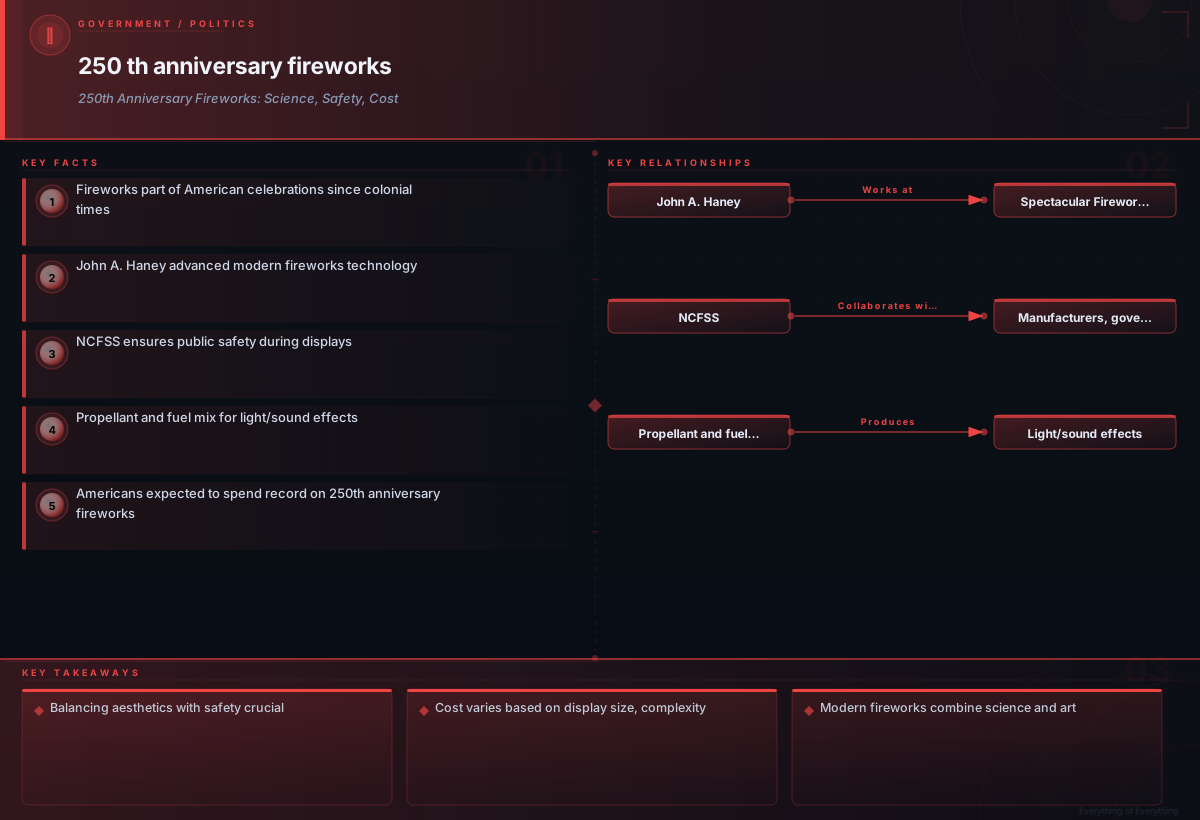
The United States will celebrate its 250th anniversary in 2026, marking a significant milestone in American history. This celebration promises to include numerous fireworks displays across the nation. The use of fireworks in public celebrations is not only a symbol of patriotism but also an event that engages all senses, creating memorable and awe-inspiring moments for spectators. Understanding the technology behind modern fireworks, their cost implications, design processes, and recent trends can provide deeper insights into what attendees can expect.
Historical Context
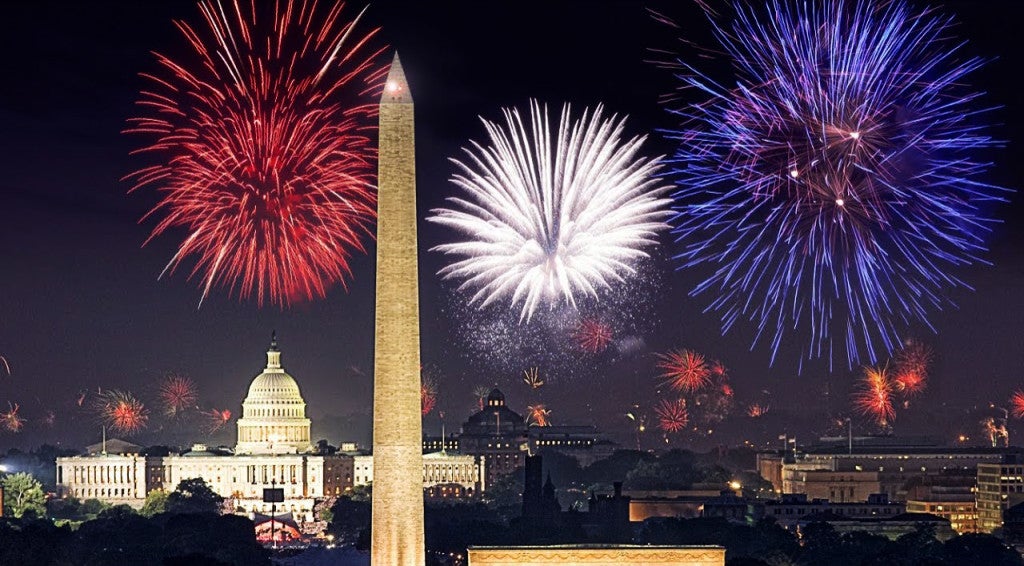
Fireworks have been part of American celebrations since early colonial times. However, it was not until the late 19th century that they became more commercially available and a staple of public festivities. By the mid-20th century, advancements in chemistry and design allowed for brighter colors, louder sounds, and longer-lasting displays. Today's fireworks are a complex blend of science and art, involving intricate designs and precise timing to create breathtaking visual spectacles.
Key Figures & Contributions

John A. Haney
John A. Haney is one of the leading experts in modern fireworks technology. His work at Spectacular Fireworks Inc. has significantly advanced the field through innovations such as better safety protocols, improved display techniques, and enhanced color combinations. According to Haney [1], the key challenge lies in balancing aesthetic appeal with safety considerations.
The National Council on Fireworks Safety
The National Council on Fireworks Safety (NCFSS) plays a crucial role in ensuring public safety during fireworks displays. Established in 1978, NCFSS works closely with manufacturers and government agencies to set standards for fireworks design and usage [2].
Core Mechanism: How It Actually Works
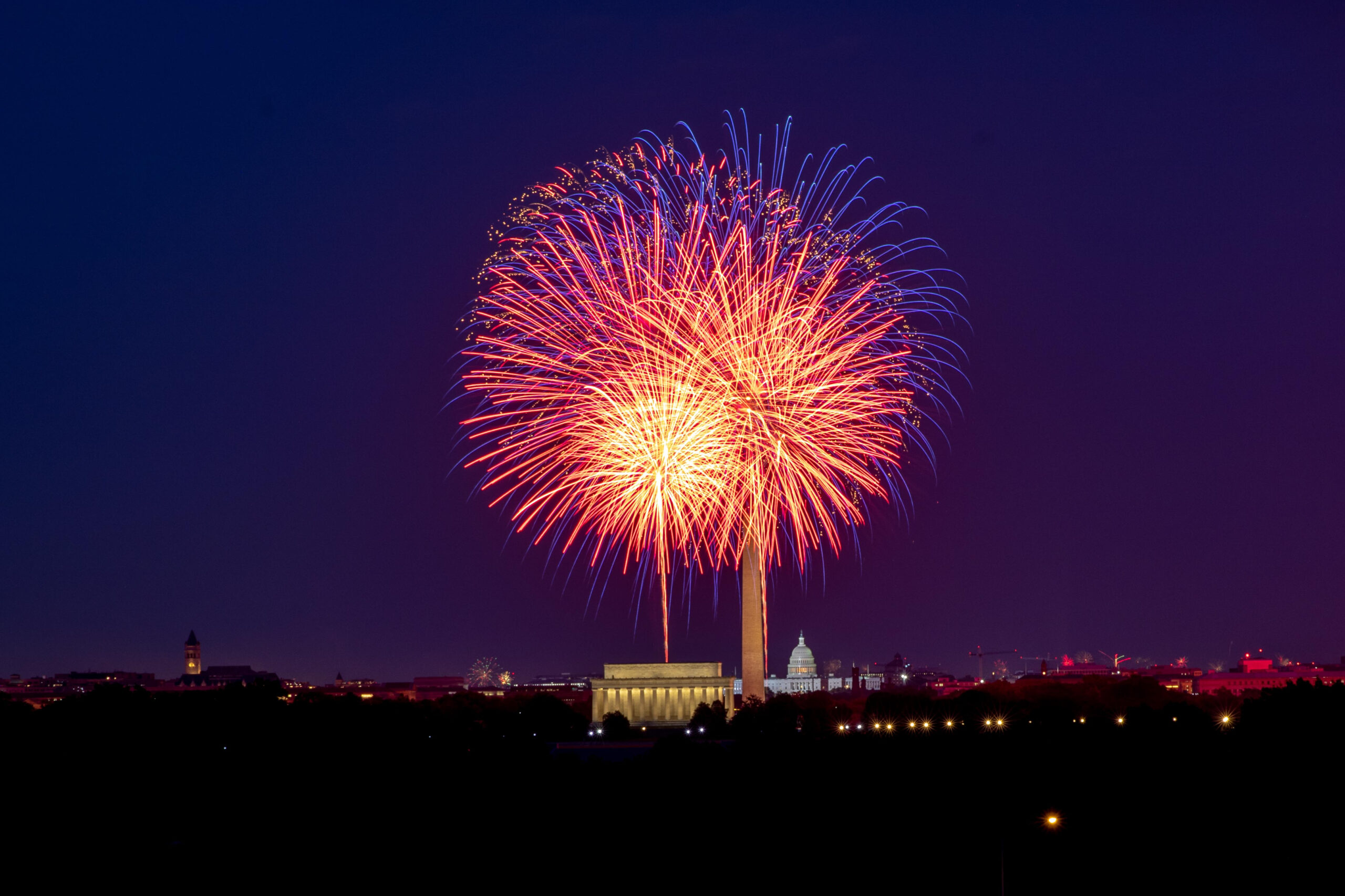
Fireworks work through the rapid combustion of propellant and fuel within an enclosed shell. This process produces a burst of gas that creates both light and sound. The core components include:
- Propellant: Usually a mixture of charcoal, sulfur, and perchlorate.
- Fuel: Commonly made from metals like aluminum or magnesium.
- Color Producing Agents: Various metal salts that emit specific colors when heated.
The design process involves careful calculation to ensure the correct ratio of these components for desired effects. For instance, the intensity and duration of a color effect depend on the type and quantity of chemicals used [3].
Cost Analysis
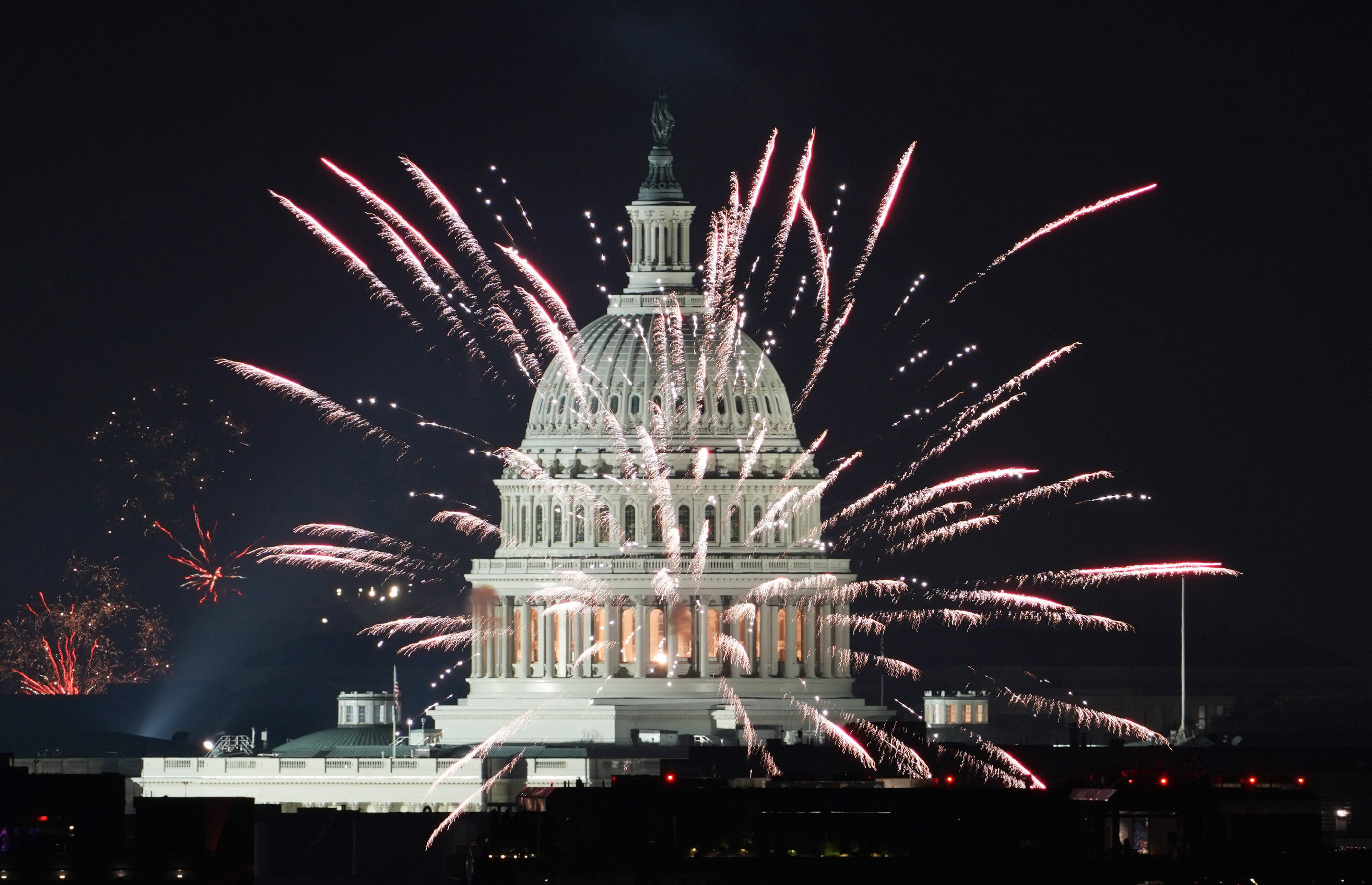
According to recent trends in fireworks displays for major events [4], Americans are expected to spend record amounts on fireworks ahead of the 250th anniversary celebration. The cost can vary widely depending on factors like the size of the display, complexity, and safety measures required. For instance, a small local event might cost around $10,000, while larger national celebrations could exceed $1 million.
Design and Layout

Modern fireworks displays are meticulously planned to maximize visual impact. Key elements include:
- Color Coordination: Different colors are used for various effects.
- Timing: Precise timing ensures a smooth sequence of explosions.
- Safety Protocols: Ensuring the safety of both spectators and performers is paramount.
Recent Developments
Tariff Impact
One significant development has been the impact of tariffs on fireworks prices. As noted by Barrett Gray in Deer Isle, Maine [5], tariffs have doubled the cost of fireworks this year due to import restrictions. This highlights the global supply chain dependencies involved in producing and delivering fireworks for large-scale events.
Current State & Recent Developments
Technology Advancements
Recent breakthroughs include the development of more environmentally friendly fireworks that produce less smoke and noise. Companies like Spectacular Fireworks Inc., led by John A. Haney, are at the forefront of these innovations [6].
Community Contributions
Community support has been crucial in funding larger displays. In Deer Isle, Maine, community members contributed significantly to the Independence Day celebration budget, demonstrating a strong sense of civic engagement and pride [7].
Key Takeaways
- The 250th anniversary will see significant investments in fireworks technology.
- John A. Haney and other experts continue to drive advancements in safety and design.
- Tariffs are affecting the cost of fireworks, highlighting supply chain challenges.
- Environmental concerns are leading to more sustainable practices.
In conclusion, the 250th US celebration fireworks represent a blend of tradition and innovation. As technology continues to evolve, it is clear that future displays will be even more impressive and responsible.
Data Overview